What’s the Best Windshield Tint for Heat and Glare?
Florida sun can feel like a heat lamp on your commute. In Jupiter and across Palm Beach County, intense UV and infrared radiation can drive cabin temperatures up fast, especially when your car sits in an open lot or crawls along US-1 and I-95 at peak hours. That heat is not just uncomfortable. Over time, it can accelerate dashboard fading, dry out interior materials, and make the steering wheel and seat surfaces painfully hot. Add the low-angle sun during morning and late-afternoon drives, and glare can turn routine trips into squinting, eye-straining distractions.
The good news is that modern windshield tint technology is not limited to “making glass darker.” Today’s high-clarity films can significantly reduce infrared heat and cut harsh glare while keeping the windshield light enough for safe visibility and Florida legal compliance. When you
choose the right film, you can keep your cabin cooler, protect your interior, and improve driving comfort without sacrificing optical clarity.
This guide is written for drivers in Jupiter, FL and surrounding areas who want the most effective, legal solution for heat and glare control. You will learn how windshield tint works, what to look for in performance specs, and how
David Wood Window Tinting helps South Florida drivers get the results they want with 3M Auto Window Tinting products.
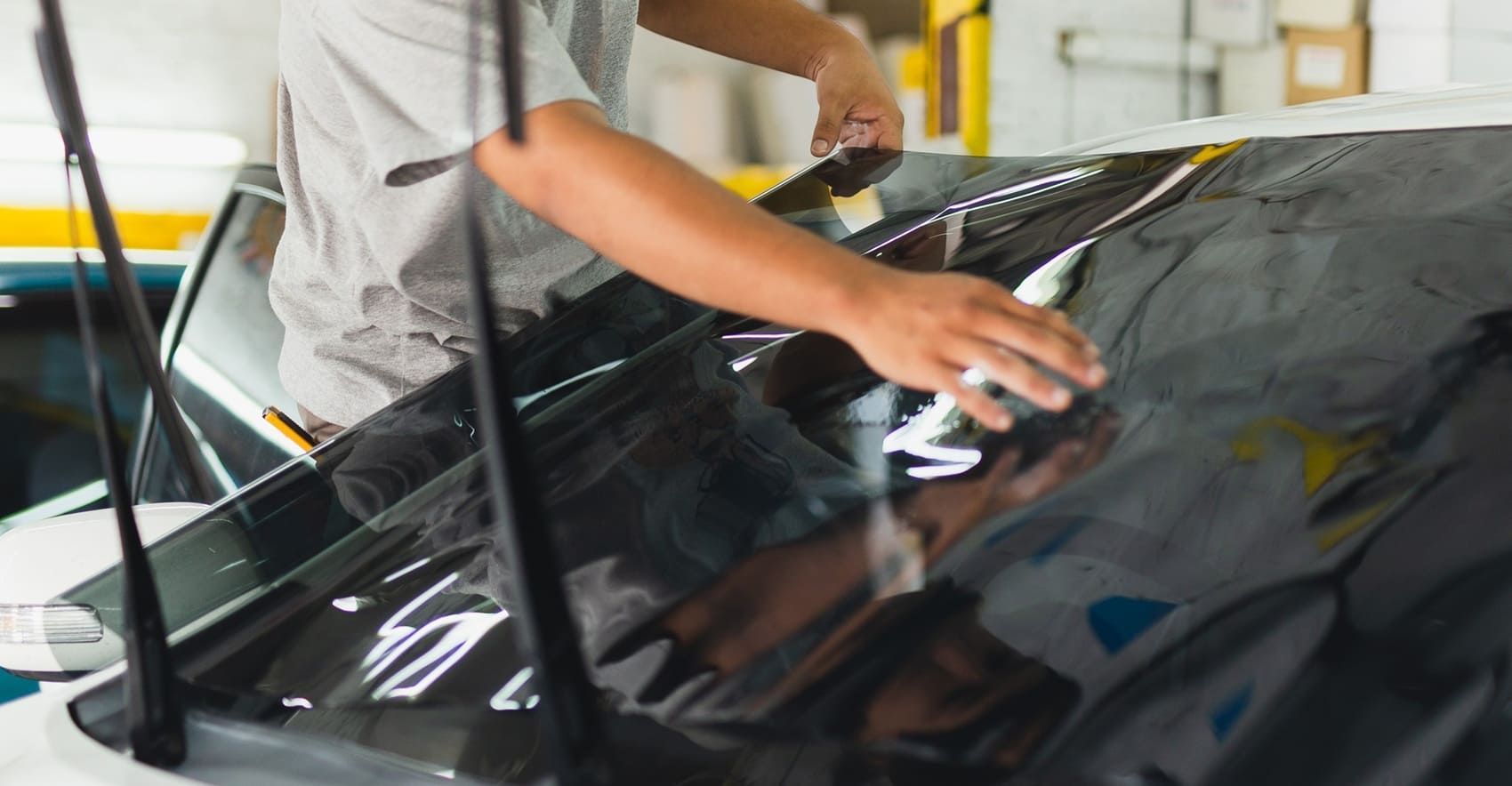
Table of Contents
- How Windshield Tint Differs From Side Window Tint
- Infrared Heat Rejection vs Visible Light Transmission
- Florida Windshield Tint Laws and Legal Compliance
- Ceramic vs Standard Tint for Heat and Glare
- Benefits of High-Clarity Ceramic Windshield Films
- Night Driving Safety and Visibility Considerations
- Why Professional Installation Matters in Coastal Florida
- FAQ: Windshield Tint for Jupiter, FL Drivers
- Conclusion and Free Estimate CTA
How Windshield Tint Differs From Side Window Tint
When people search “best windshield tint Florida heat,” they often assume windshield film is the same as side
window tint, just installed on different glass. In practice, the windshield is a unique piece of automotive glass with different safety, visibility, and legal considerations. Understanding those differences helps you choose the right film and the right installation approach.
1) The windshield is your primary visibility surface. Your side windows matter, but the windshield is where you focus most of your driving attention. Any haze, distortion, or installation defects are more noticeable and more disruptive on a windshield than on side glass. That is why film choice, cleanliness, and technique matter even more.
2) Windshields are laminated and engineered for impact safety. Most modern vehicles use laminated glass for the windshield, meaning the glass layers are bonded with a plastic interlayer. Tint film goes on the interior surface, but the laminated construction influences how light passes through and how reflections appear. A film that looks fine on side glass may show more reflection or “ghosting” on a windshield if it is not designed for high optical clarity.
3) Windshields often include technology zones. Many vehicles have a dotted “frit” band around the perimeter, integrated antennas, rain sensors, heads-up display zones, and ADAS camera housings near the rearview mirror. This is especially important for windshield tint glare reduction and heat rejection because the film must lay smoothly around complex shapes without creating lift lines or bubbles. If your vehicle has ADAS features, you should ask how the tint will be installed around those areas to preserve function and visibility.
4) Heat and glare are concentrated through the windshield. Side glass can bring heat in, but a large percentage of solar energy enters through the windshield due to its size and angle. In South Florida, you will feel this on your face, arms, and legs during daytime driving. The “best windshield tint Florida heat” solution often focuses on strong infrared rejecting windshield tint performance while keeping the film light enough to see clearly.
5) Legal rules are stricter for the windshield.
Florida laws for front windshields are not the same as the rules for side windows. Many legal options focus on a sun strip at the top of the windshield and clear or nearly clear heat-rejecting films. If you want a legal windshield tint Florida solution, you need to match your goals to what is allowed.
Infrared Heat Rejection vs Visible Light Transmission
Two spec terms show up constantly when shoppers compare films: infrared rejection and visible light transmission (VLT) . Drivers often assume darker equals cooler, but that is not always true. For Jupiter drivers who want comfort without a dark windshield, understanding these specs is essential.
Visible Light Transmission (VLT) tells you how much visible light passes through the glass and film together. A higher number means more light gets through. A lower number means the glass looks darker. When people ask “best shade for glare control,” they are usually thinking about VLT.
Infrared (IR) rejection refers to how well a film reduces infrared energy that you feel as heat. Infrared rejecting windshield tint is designed to cut the part of sunlight that heats up surfaces and air inside the cabin. Many premium films can provide strong IR heat reduction even at lighter VLT levels.
Glare reduction is closely tied to visible light. Lower VLT can reduce glare, but there is a trade-off. Go too
dark on the windshield and you risk night-driving visibility problems, plus legal concerns. A smarter approach is balancing light VLT with high IR rejection and strong UV protection.
Quick comparison chart (easy way to think about it)
- High VLT (lighter look): Better night visibility and a more factory appearance. Needs strong IR rejection to still control heat effectively.
- Medium VLT (moderate shade): Stronger daytime glare control, but may be less comfortable at night depending on your eyes, headlights, and road lighting.
- Low VLT (dark): Maximum glare reduction, but the windshield is not the place to push darkness due to safety and compliance considerations.
Specs that matter for South Florida driving
- IR rejection: Helps reduce heat buildup when parked, stop-and-go traffic heat soak, and sun load on your skin.
- UV protection: Helps prevent fading and cracking of dashboards, door panels, leather, and plastics.
- Optical clarity: Minimizes haze and distortion. This matters for reading road signs, seeing lane markings in rain, and reducing eye fatigue.
- Reflection control: Lower internal reflections can improve comfort in bright sun and at night.
A practical question to ask yourself: Are you mainly trying to cool the cabin, or are you trying to cut blinding glare during sunrise and afternoon westbound driving? Most Jupiter drivers want both. That is why high-clarity ceramic films are popular for a “best windshield tint Florida heat” goal while still supporting safe visibility.
Florida Windshield Tint Laws and Legal Compliance
When drivers search “legal windshield tint Florida,” they usually want a simple answer: what is allowed on the front windshield?
Florida law is strict about reducing the light through the main viewing area of the windshield. However, there are legal ways to improve comfort, especially using a top sun strip and high-performance films designed to keep the glass light.
Important note: Tint rules can be interpreted and enforced differently by different agencies, and regulations can change. For the most accurate guidance, verify current rules and ask a professional installer to recommend an option that fits your vehicle and your driving needs.
General compliance concept for Florida windshields
- Most legal options focus on a top “sun strip”: A tint band at the top of the windshield designed to reduce high-angle sun glare.
- Below the strip: Drivers typically use clear or very light, high-clarity films when the goal is heat rejection without a noticeably dark windshield.
- Medical exemptions: Some drivers may qualify for exemptions. If you have light sensitivity or a medical reason, ask about documentation requirements and how that affects film choice.
Placement guideline infographic (conceptual)
- Top of windshield: Sun strip area, typically measured down from the top edge.
- Main viewing area: Should remain light and clear for safe driving and easier compliance.
- Sensor and camera zones: Keep the film cleanly installed with no contamination or lifting, and ensure no obstruction of ADAS camera view.
How David Wood Window Tinting approaches compliance in Jupiter
At David Wood Window Tinting, the goal is to help you get meaningful heat and glare benefits while staying within legal and practical safety boundaries. That usually means recommending high-clarity 3M Auto Window Tinting options for infrared heat rejection and UV protection, plus a properly placed sun strip when appropriate for glare control. If you want the “best windshield tint Florida heat” outcome, the best choice is rarely “darkest film.” It is usually the best-performing film at a safe, compliant level .
Ceramic vs Standard Tint for Heat and Glare
Most drivers comparing windshield tint options end up at the same question: ceramic versus standard film . The difference is not marketing hype. It is about how the film blocks energy, how clear it looks, and how it holds up in Florida conditions.
Standard dyed or entry-level films can reduce glare primarily by darkening the glass. Some may provide limited heat reduction, but they often rely more on shade than advanced infrared control. On a windshield, that approach is risky because heavy shade can reduce visibility and may create compliance issues.
Metallized films can reflect heat well, but they may increase reflectivity and in some cases can interfere with signals or create more internal reflection. The windshield is the last place you want distracting reflectivity or an increased mirror effect.
Ceramic films are popular for infrared rejecting windshield tint because they can reduce heat without requiring a very dark VLT. For a driver searching “3M ceramic window tint Jupiter FL,” ceramic is often the category they are looking for, especially when the goal is comfort with a clean, high-clarity look.
Performance comparison chart (typical real-world outcomes)
- Heat control (IR): Ceramic tends to provide stronger IR reduction at lighter shades, which helps keep the cabin cooler.
- Glare control: Darker films reduce glare more, but ceramic can help you avoid going too dark by improving comfort through heat control and refined optics.
- Clarity: Higher-end ceramic films are designed to look clear and consistent, especially important on windshields.
- Color stability: Premium films generally resist fading and discoloration better, a major benefit in the Florida sun.
- Comfort: Ceramic often feels like “less heat on your skin” even when the windshield looks nearly clear.
Which is best for Jupiter drivers? If your top priorities are best windshield tint Florida heat , windshield tint glare reduction , and a clean look that supports safety, a high-quality ceramic film is usually the best starting point. David Wood Window Tinting installs 3M Auto Window Tinting products engineered for advanced heat rejection, UV protection, and superior optical clarity suited for South Florida conditions.
Benefits of High-Clarity Ceramic Windshield Films
High-clarity ceramic windshield films are designed for drivers who want meaningful comfort gains without turning the windshield into a dark lens. For a daily driver in Jupiter, this can be the sweet spot: less heat, less eye strain, and better interior protection while maintaining a factory-like appearance.
1) Cooler cabin with less heat soak
In Palm Beach County, heat soak is real. Even short errands can stack up cabin heat. A high-performance ceramic film helps reduce the infrared energy that makes the cabin feel like an oven. You may still get warm air in the cabin, but the “hot surfaces” effect can be noticeably reduced.
2) Reduced glare without relying only on darkness
Many people assume glare control requires heavy tint. In reality, glare is a combination of visible light intensity, reflections, and eye fatigue. A quality film can reduce discomfort by improving optics and controlling reflections while still allowing ample visible light for safe visibility.
3) Better interior protection
UV exposure contributes to fading and cracking. Dashboards, leather seats, door panels, and trim pieces can age faster when they are constantly baked. With UV protection, your interior can hold its color and condition longer, which matters for resale value and long-term ownership.
4) Superior optical clarity for the windshield
Your windshield is not the place to accept haze. High-clarity ceramic films are engineered to minimize distortion and maintain a crisp view of road lines and signage. This is especially valuable in Florida rain, where clear lane visibility is already challenging.
5) Comfort during the worst sun angles
Jupiter drivers often deal with glare on eastbound mornings and westbound late afternoons. A properly installed sun strip can cut the high-angle sun that hits your eyes directly, while the main windshield film focuses on heat rejection and a balanced view.
Simple selection guide (for most drivers)
- If you want maximum comfort with a clear look: choose a high-clarity ceramic film that prioritizes IR rejection and UV protection.
- If you mainly want glare control at the top: combine a legal sun strip with a light ceramic film below.
- If you drive a lot at night: prioritize clarity and keep VLT high, letting IR rejection do the heavy lifting for heat control.
Night Driving Safety and Visibility Considerations
One of the most important parts of choosing windshield tint is being honest about your night driving. Jupiter roads range from well-lit commercial corridors to darker residential and coastal stretches. Rain, glare from oncoming LEDs, and reflective lane markings can add complexity. The best tint choice is the one that
improves comfort while preserving safe visibility.
Key visibility factors to consider
- Your personal vision: If you already struggle with night glare or have mild astigmatism, you should be cautious about reducing visible light through the windshield.
- Headlight intensity around you: Many vehicles have very bright headlights. A film with high optical clarity can help minimize unwanted halos, but too-dark VLT can make everything else harder to see.
- Wet roads: In Florida storms, contrast drops. Windshield clarity becomes even more important.
- Internal reflections: Some films can increase internal reflections on the windshield at night, especially with bright dashboard displays. Choosing a quality film and a professional install helps reduce this risk.
Practical recommendation: If your top goal is “best windshield tint Florida heat” and you also want safe night driving, focus on infrared rejecting windshield tint performance at a light, high-clarity VLT. That approach can reduce heat and discomfort without making your view noticeably darker.
Question to ask before you decide: Do you drive more often at night or in the early morning? If yes, your safest move is usually a lighter windshield film paired with a legal sun strip for daytime glare control.
Why Professional Installation Matters in Coastal Florida
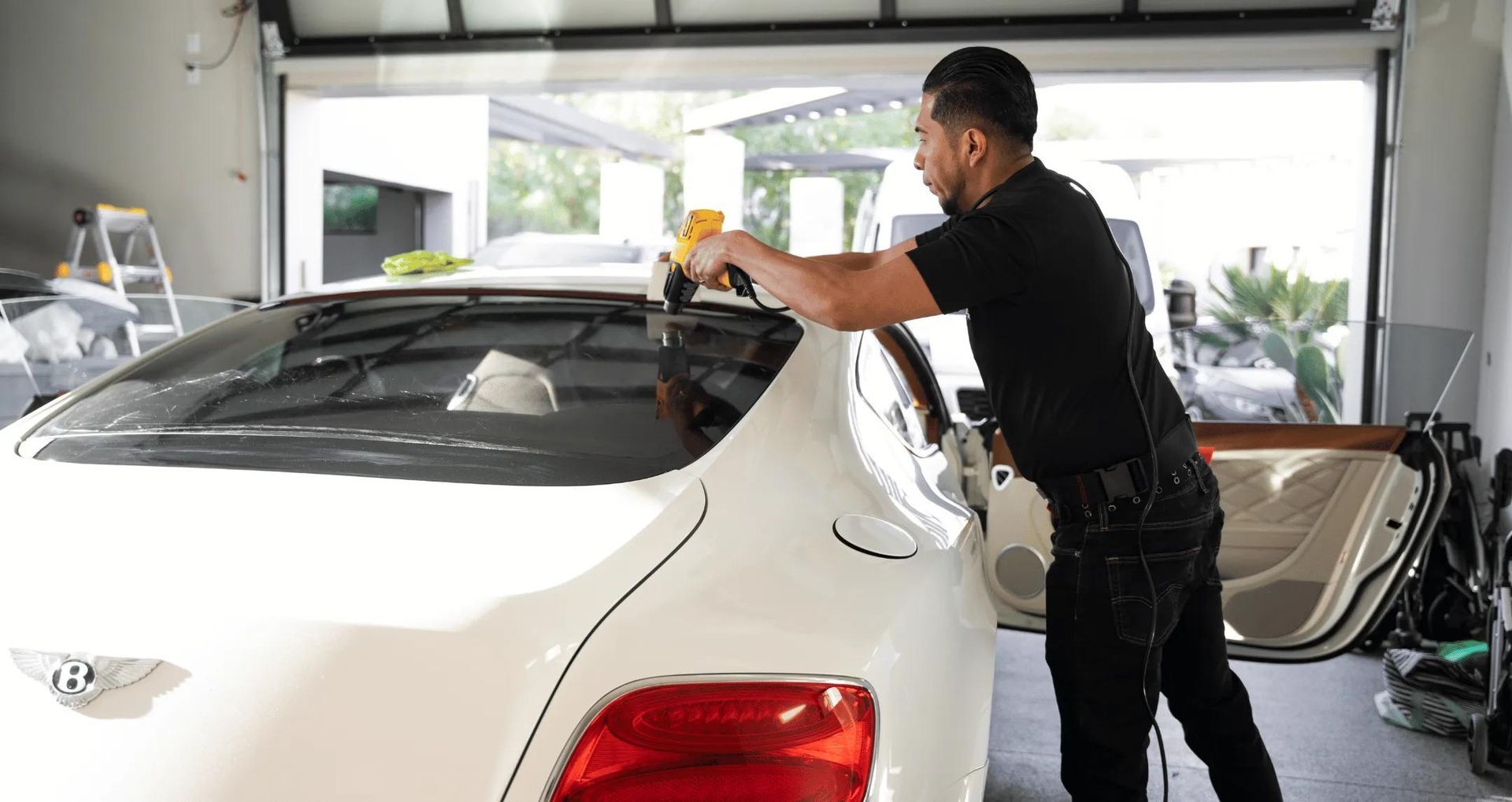
Even the best film can look bad and perform poorly if it is installed incorrectly. The windshield is one of the hardest pieces of glass to tint because it is large, curved, and positioned in a way that highlights any imperfections. Professional installation is also a durability issue, especially in Florida’s heat, humidity, and coastal air.
1) Cleanliness is everything
Windshield film shows contamination easily. Dust, lint, and tiny particles can create visible bumps or “specks.” A professional shop environment, careful prep, and proper tools help produce a clean result.
2) Proper film forming and shrinking
Windshields are curved. Film must be carefully formed to match the glass shape before final installation. If film is rushed or overheated, it can distort or leave stress lines. If it is not formed correctly, it can lift over time.
3) Edge finishing and longevity
In hot climates, edges that are not properly seated can begin to lift. Professional installation focuses on consistent edges and a stable bond, which supports long-term durability.
4) Optical clarity depends on technique
Windshield tint glare reduction should not come with distortion. A professional installer knows how to minimize squeegee marks, fingers, and trapped moisture so the film cures evenly and stays clear.
5) Compatibility with sensors and modern vehicle features
Drivers often ask if tint is compatible with
ADAS cameras, lane keep assist, or rain sensors. The right answer depends on the vehicle and film placement. A professional installer can identify camera housings and sensor zones and install the film cleanly around them, keeping the view unobstructed.
Why this matters for Jupiter, FL specifically
- Heat: Higher glass temperatures test adhesives and curing quality.
- Humidity: Moisture can slow curing and highlight installation defects if the prep is not thorough.
- Coastal air: Salt and fine particulates can increase cleaning challenges and make professional prep more valuable.
David Wood Window Tinting focuses on professional installation of
3M Auto Window Tinting products engineered for advanced heat rejection, UV protection, and superior optical clarity. If you are searching for “3M ceramic window tint
Jupiter FL,” the product is only half the equation. The install quality is what makes the results look clean and last.
FAQ: Windshield Tint for Jupiter, FL Drivers
Below are common questions from drivers researching legal windshield tint Florida , windshield tint glare reduction , and the best film choice for South Florida heat.
Is full windshield tint legal in Florida?
Florida rules for the front windshield are strict. Most legal approaches focus on a top sun strip, plus clear or very light film in the main viewing area for heat rejection. If you want a compliant solution, confirm the current law and choose a film strategy designed for legality and safe visibility.
What is the best windshield tint for Florida heat without making the glass too dark?
For many drivers, the best option is a high-clarity ceramic film designed for strong infrared rejecting windshield tint performance. This approach focuses on heat control through IR reduction rather than relying on heavy darkness.
What shade is best for windshield tint glare reduction?
Glare reduction usually improves as VLT decreases, but the windshield is not the place to go too dark. Many drivers get the best balance by using a legal sun strip for direct sun glare and a light, high-clarity film for the rest of the windshield.
Does ceramic tint really reduce heat better than standard film?
In many cases, yes. Ceramic films are engineered to reduce infrared energy effectively, often at lighter VLT levels. That makes ceramic a strong match for drivers seeking the “best windshield tint Florida heat” outcome with a clearer look.
Will windshield tint interfere with ADAS cameras or sensors?
Most vehicles can be tinted safely when the film is installed correctly and the camera view is not obstructed. The best practice is to have a professional installer evaluate your windshield’s camera housing and sensor areas and install the film cleanly around them.
Is windshield tint safe for night driving?
It depends on the film shade and your personal vision. A lighter, high-clarity film can preserve visibility while still providing heat reduction. If you drive frequently at night, prioritize clarity and avoid overly dark windshield tint.
How long does windshield tint last in a coastal Florida climate?
Durability depends on film quality and installation. Heat, humidity, and coastal conditions can stress poor-quality films and weak installs. Premium films and professional installation typically provide better long-term performance and appearance.
Can windshield tint help prevent dashboard fading?
Yes. Films that block UV rays can reduce sun-related aging of interior materials. While nothing stops aging completely, UV protection is one of the best tools for preserving your interior’s color and condition.
What should I look for when comparing film specs?
Focus on infrared heat reduction, UV protection, optical clarity, and a VLT level that supports safe visibility. For Jupiter drivers, the best results often come from pairing strong IR performance with a light, clear windshield film approach.
Why choose David Wood Window Tinting for windshield tint in Jupiter, FL?
David Wood Window Tinting specializes in solutions built for South Florida conditions, emphasizing professional installation and performance-focused products. If you want a high-performing, clear-looking option, ask about 3M Auto Window Tinting choices designed for advanced heat rejection, UV protection, and superior optical clarity.
Conclusion and Free Estimate CTA
If you drive in Jupiter, FL, you already know how quickly the sun can heat up your cabin and how distracting glare can be during morning and late-afternoon commutes. The best solution is not simply the darkest film. It is the right balance of infrared rejecting windshield tint performance, safe visible light transmission, and a legal approach that fits Florida requirements. With a high-clarity ceramic film and a properly placed sun strip where appropriate, many drivers can reduce heat buildup, cut harsh glare, and protect their interior while keeping the windshield clear and comfortable to drive through.
If you are ready to upgrade your comfort and visibility,
contact David Wood Window Tinting in
Jupiter, FL for a
free estimate. Ask about professional installation of high-performance 3M Auto Window Tinting solutions engineered for advanced heat rejection, UV protection, and superior optical clarity for South Florida driving.