
Will Window Tint Affect ADAS Cameras or Lane Assist?
Advanced driver assistance systems, often called ADAS, are now standard on many vehicles in Jupiter, FL. Features like lane assist, forward collision warning, adaptive cruise control, blind spot monitoring, and automatic emergency braking rely on cameras and sensors to “see” the road and respond quickly. As more drivers buy newer vehicles with camera-based safety features, one question comes up again and again before tinting appointments: will window tint affect ADAS cameras or lane assist ?
This concern is understandable. ADAS technology is precise, and many drivers have heard stories about sensors being blocked or cameras failing after modifications. In reality, modern
window tint is designed to work with today’s vehicles, especially when you choose a high-clarity, non-metallic film and have it installed by a professional who understands windshield camera zones and sensor-safe practices. This guide breaks down how ADAS works, what really causes interference, and how to choose an ADAS safe window tint that improves comfort while keeping your safety systems functioning properly.
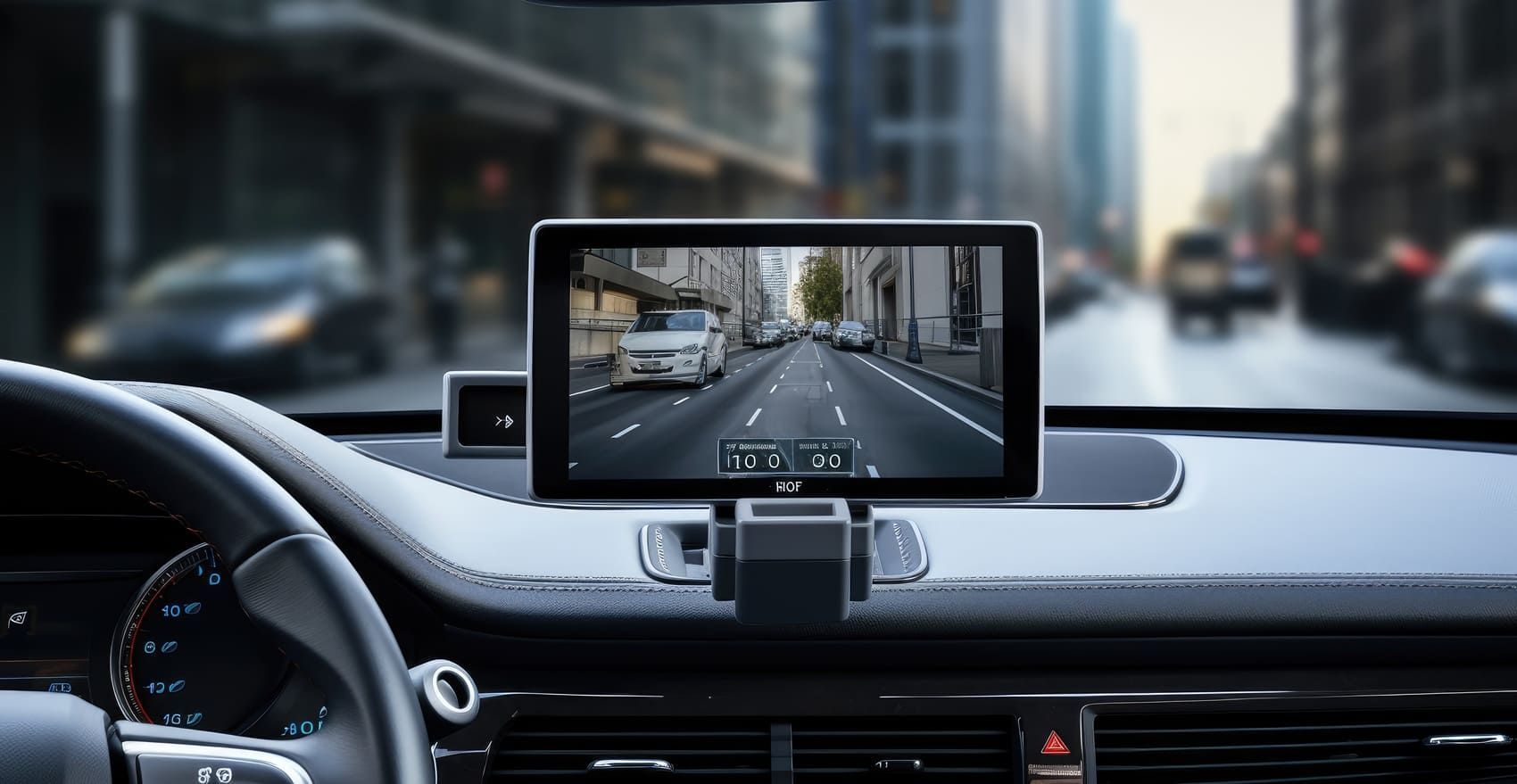
Table of Contents
- 1. How ADAS cameras and sensors work
- 2. Misconceptions about tint and ADAS interference
- 3. Metallic vs non-metallic window tint films
- 4. Ceramic and nano ceramic tint for clarity
- 5. Windshield tint guidelines and camera zones
- 6. Calibration and installation best practices
- 7. Why pro installation matters for compliance
- FAQ: ADAS and window tint
- Conclusion and CTA
1. How ADAS cameras and sensors work in modern vehicles
ADAS systems use a combination of sensors to detect lanes, vehicles, pedestrians, and obstacles. The exact sensor mix varies by manufacturer and trim level, but most systems rely on these components:
- Forward-facing camera behind the windshield, often near the rearview mirror, used for lane markings, traffic signs, and object recognition.
- Radar sensors typically behind the grille or bumper, used for distance and speed tracking for adaptive cruise control and collision warnings.
- Ultrasonic sensors used at low speeds for parking assistance.
- Side cameras and rear cameras used for lane changes, reversing, and surround view systems.
When people search phrases like does window tint affect cameras , they are usually thinking about the forward-facing camera, because it sits behind the windshield and sees through glass all day. Cameras depend on clear visibility and stable light transmission. They need consistent contrast to read lane lines and detect shapes, especially in heavy rain, glare, or nighttime conditions.
Radar, on the other hand, does not see through your windshield. It is typically mounted in the front of the vehicle. Most window tint discussions relate to camera-based systems rather than radar.
2. Common misconceptions about window tint interference with safety systems
There are several myths that lead drivers to assume tint will “break” lane assist. Understanding what is true and what is not will help you choose the right solution.
- Myth: Any tint on any window will disrupt ADAS.
Reality: Most ADAS cameras are behind the windshield. Tint on side and rear windows typically does not affect forward camera performance. - Myth:
Darker tint always means worse camera performance.
Reality: Visibility issues are tied to the windshield camera zone and film optical quality. Properly selected films maintain optical clarity. - Myth: ADAS problems after tinting prove tint causes interference.
Reality: Many issues come from installation mistakes near camera housings, contamination, improper film edges, or a calibration need that was already present.
Most drivers in Jupiter who
choose professional, high-clarity films and follow best practices do not experience ADAS issues.
3. Differences between metallic and non-metallic window tint films
Film construction matters. The two most important concepts for ADAS compatibility are optical clarity for cameras and signal behavior for vehicles with embedded antennas.
Metallic or metalized films use thin metal layers to reflect heat. These films can sometimes create issues with certain wireless signals in vehicles with in-glass antennas. They can also have a higher chance of reflectivity or haze if quality is poor.
Non-metallic films rely on dyes, carbon, ceramic, or nano ceramic technologies that control heat and light without metal layers. For modern vehicles, non-metallic films are usually preferred because they support electronics and camera clarity better.
| Film Type | Optical Clarity | ADAS Camera Compatibility | Notes |
|---|---|---|---|
| Metalized | Varies by quality | Usually fine on side windows | Potential concerns with some in-glass antennas |
| Carbon | High | Strong for most vehicles | Good balance of comfort and appearance |
| Ceramic / Nano ceramic | Very high | Excellent for camera-based systems | Great for heat rejection in Florida sun |
For drivers searching terms like window tint ADAS cameras or lane assist window tint , the safest approach is choosing a high-clarity, non-metallic film installed correctly around the camera zone.
4. How ceramic and nano ceramic tint maintains optical clarity
Ceramic and nano ceramic films are designed to provide strong heat rejection without relying on metal layers. They are known for their clarity and color stability, which supports camera performance and driver visibility.
In practice, the most important benefits for ADAS-equipped vehicles include:
- High optical clarity to preserve camera image quality.
- Stable light transmission to reduce glare while keeping visibility consistent.
- Strong IR and UV control for comfort and interior protection in Jupiter’s sun.
If your priority is an ADAS safe window tint , ceramic and nano ceramic options are often the easiest recommendation. They help control heat and glare without introducing visual distortions that could affect camera perception.
For customers comparing brands, 3M window tint Jupiter FL searches are common because 3M Window Tinting products are engineered for high optical clarity and are safe for vehicles equipped with advanced driver assistance systems when installed correctly.
5. Windshield tint considerations and manufacturer guidelines
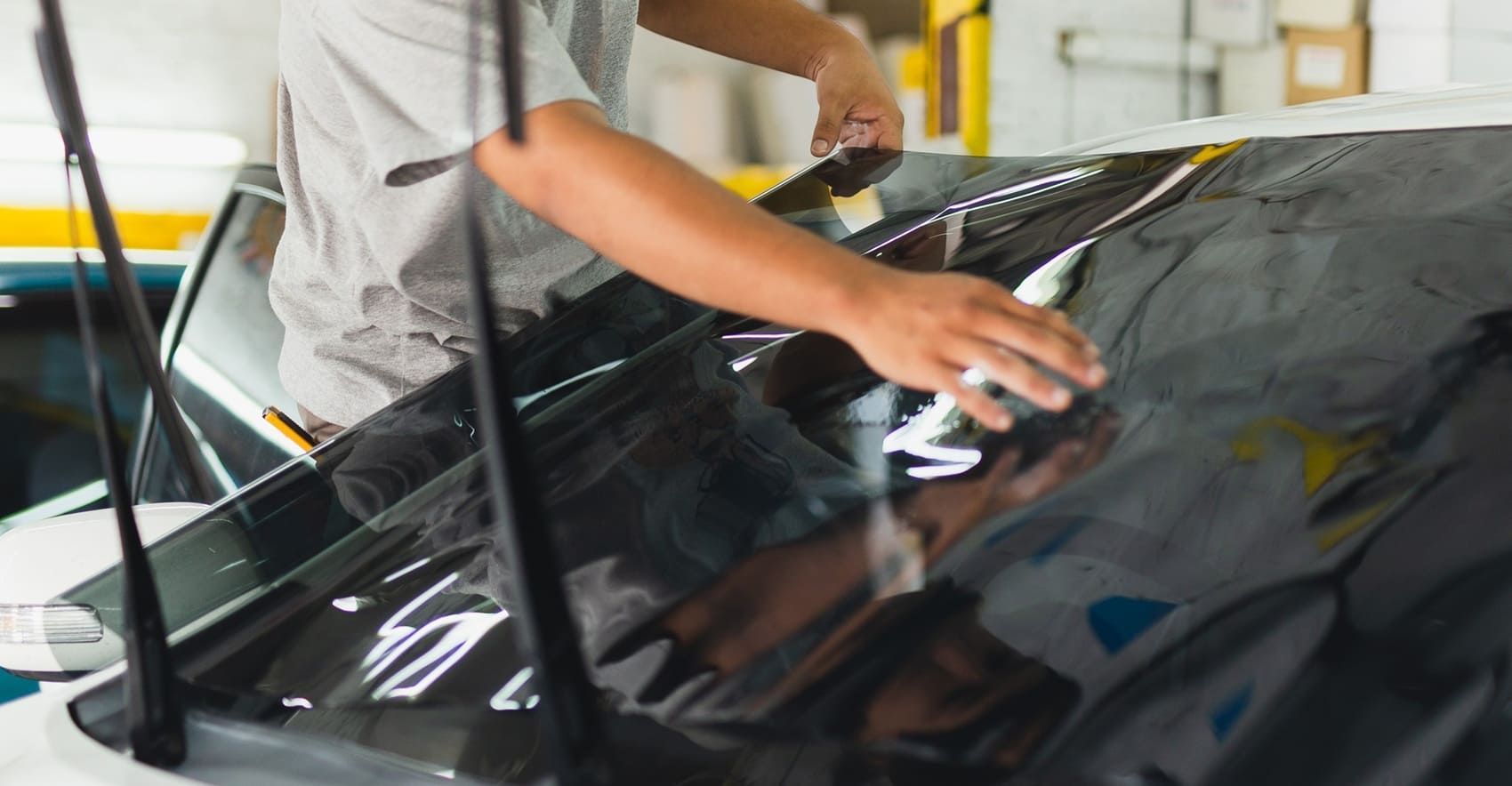
Windshield tint is where the conversation becomes more technical. Many vehicles have a camera module bonded to the windshield near the rearview mirror, and some have rain sensors or other components.
Key principles include:
- Do not cover camera lenses or sensor windows. Films should be cut and installed with correct clearances where required.
- Avoid distortion in the camera field of view. High-clarity film matters, but so does proper installation without creases or contamination.
- Follow Florida legal requirements. Windshield tint rules are different than side and rear windows.
- Follow manufacturer guidance. Some brands specify restrictions around the camera area or recommend particular installation approaches.
When tint is installed correctly, most camera-based systems continue to function normally. Issues tend to occur when film is applied incorrectly around the camera housing, when the glass is not prepared properly, or when a vehicle already needed calibration due to a windshield replacement or alignment issue.

6. Calibration and installation best practices for vehicles with ADAS
ADAS calibration is a real topic, but it is often misunderstood. Most vehicles do not require recalibration after standard tint installation. Calibration is more commonly required after windshield replacement, collision repair, camera replacement, or certain suspension and alignment work.
That said, best practices for tinting ADAS-equipped vehicles include:
- Confirm camera and sensor locations before installation.
- Use precision cuts so the film edges are clean and stable.
- Keep the camera zone pristine by avoiding dust, debris, and excess moisture near sensor housings.
- Test drive and verify that lane assist and warning systems behave normally after installation.
| Vehicle Feature | Where It Operates | What Matters for Tint |
|---|---|---|
| Lane keep assist | Forward windshield camera | High clarity film and clean camera zone |
| Adaptive cruise control | Front radar, sometimes camera | Windshield film rarely affects radar |
| Forward collision warning | Camera and or radar | Correct installation supports camera visibility |
7. Why professional installation is critical for safety and compliance
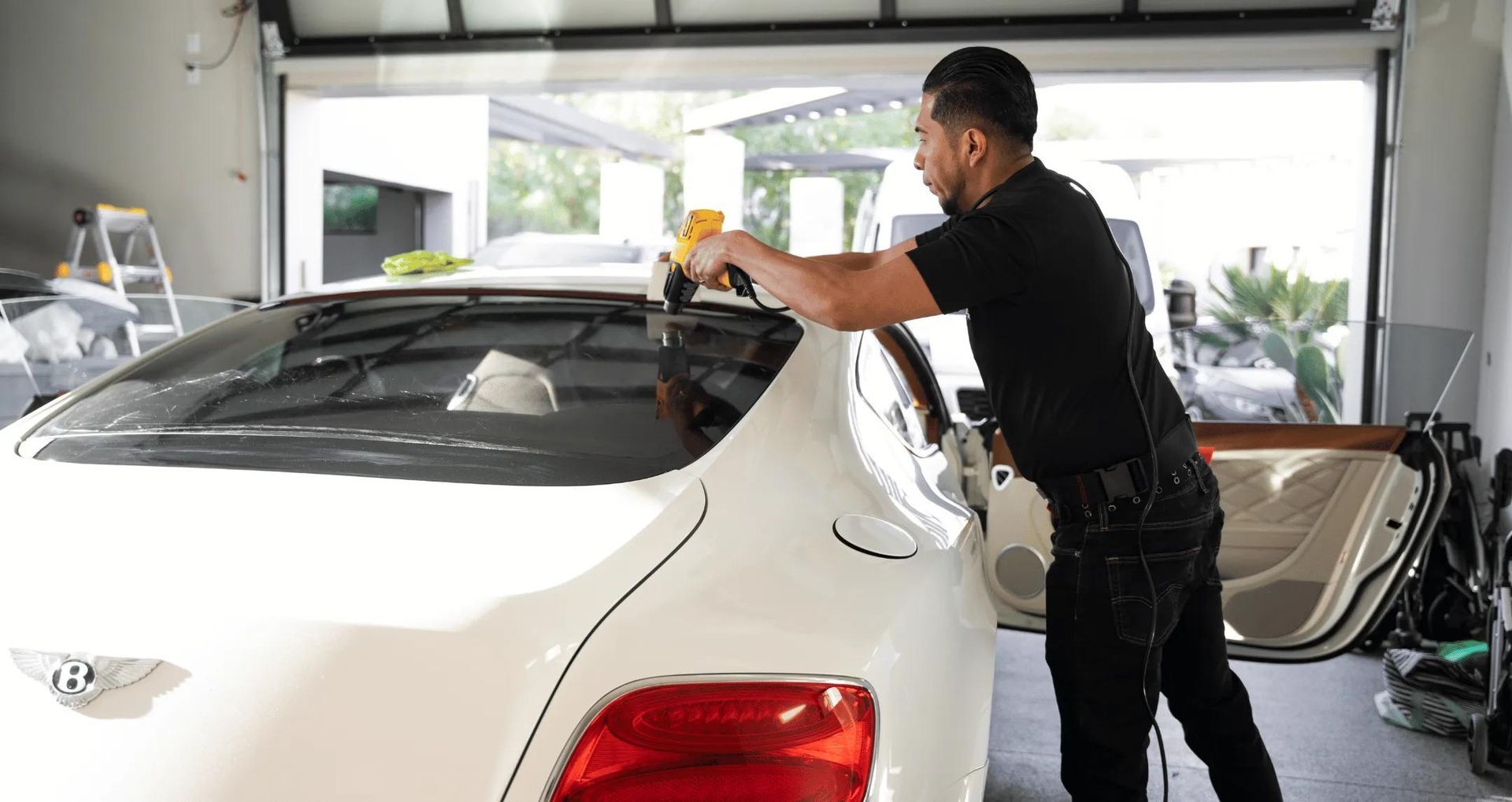
Professional installation is the difference between a film that performs as intended and one that risks visibility issues or premature failure. With ADAS vehicles, professional work matters even more because the installer must respect camera zones, sensor housings, and legal limits.
David Wood Window Tinting serves Jupiter, FL drivers who want better heat control and glare reduction while keeping advanced safety systems working properly. Using quality films and correct techniques helps ensure your vehicle’s lane assist and camera-based features continue to perform as designed.
FAQ: ADAS and window tint
Will windshield tint affect lane assist?
If a high-clarity film is installed correctly with proper camera zone handling, lane assist typically continues to function normally.
Does window tint affect ADAS cameras?
Quality films are designed for optical clarity. Problems are more often related to poor installation near the camera area.
Do I need ADAS recalibration after tinting?
Usually no. Calibration is more commonly needed after windshield replacement or collision-related repairs.
Can tint void my vehicle warranty?
Tint generally does not void a warranty by itself, but damage caused by improper installation could create issues. Professional installation helps avoid this.
Are ceramic films better for ADAS vehicles?
Ceramic and nano ceramic films are known for high clarity and non-metallic construction, making them a strong choice for ADAS-equipped vehicles.nano-ceramic
Is metalized tint bad for cameras?
Not automatically, but non-metallic options are often preferred for modern vehicles due to clarity and electronics considerations.
What about cameras in the rear window or side mirrors?
Tint on those windows usually does not affect cameras, but clarity and correct installation still matter.
Is windshield tint legal in Florida?
Florida has specific rules for windshield tinting. Your installer should ensure compliance for your vehicle.
How do I choose an ADAS safe window tint?
Choose a high-clarity, non-metallic film and an installer who understands camera zones and modern vehicle systems.
Which brands are designed for clarity and safety?
3M Window Tinting products are engineered for high optical clarity and are safe for ADAS vehicles when installed correctly.
Conclusion and CTA
For most
Jupiter, FL drivers, the answer is reassuring: modern non-metallic window tint does not interfere with ADAS cameras or lane assist when it is selected and installed correctly. The key is choosing a high-clarity film and a professional installer who respects windshield camera zones, follows manufacturer guidance, and stays compliant with Florida rules.
If you want expert advice and a solution tailored to your vehicle,
contact David Wood Window Tinting in
Jupiter, FL for professional installation of
3M Window Tinting products and a
free estimate. You can
enhance comfort, reduce glare, and protect your interior while maintaining the performance of your advanced safety systems.