Best Window Tint for Heat Reduction in Summer
Palm Beach County summers are not simply warm. They bring long hours of intense sun, high humidity, and surfaces that absorb and hold heat throughout the day. In Jupiter, West Palm Beach, Palm Beach Gardens, Stuart, and Juno Beach, that means car cabins can become stifling within minutes and rooms with direct sun exposure can stay uncomfortably hot even when the air conditioner is running. Many people start researching window tint because they want one clear answer: which film actually blocks the most heat? The short answer is that not all window films perform the same, and visible darkness alone does not tell you how much cooler a space will feel. Infrared rejection is the key metric behind real heat control. For many Florida vehicles and properties, ceramic or ceramic-based film such as 3M Ceramic IR Series can be a strong choice for heat reduction, but the best fit still depends on budget, glass type, direct sun exposure, and whether the project is for a car, home, or commercial building.
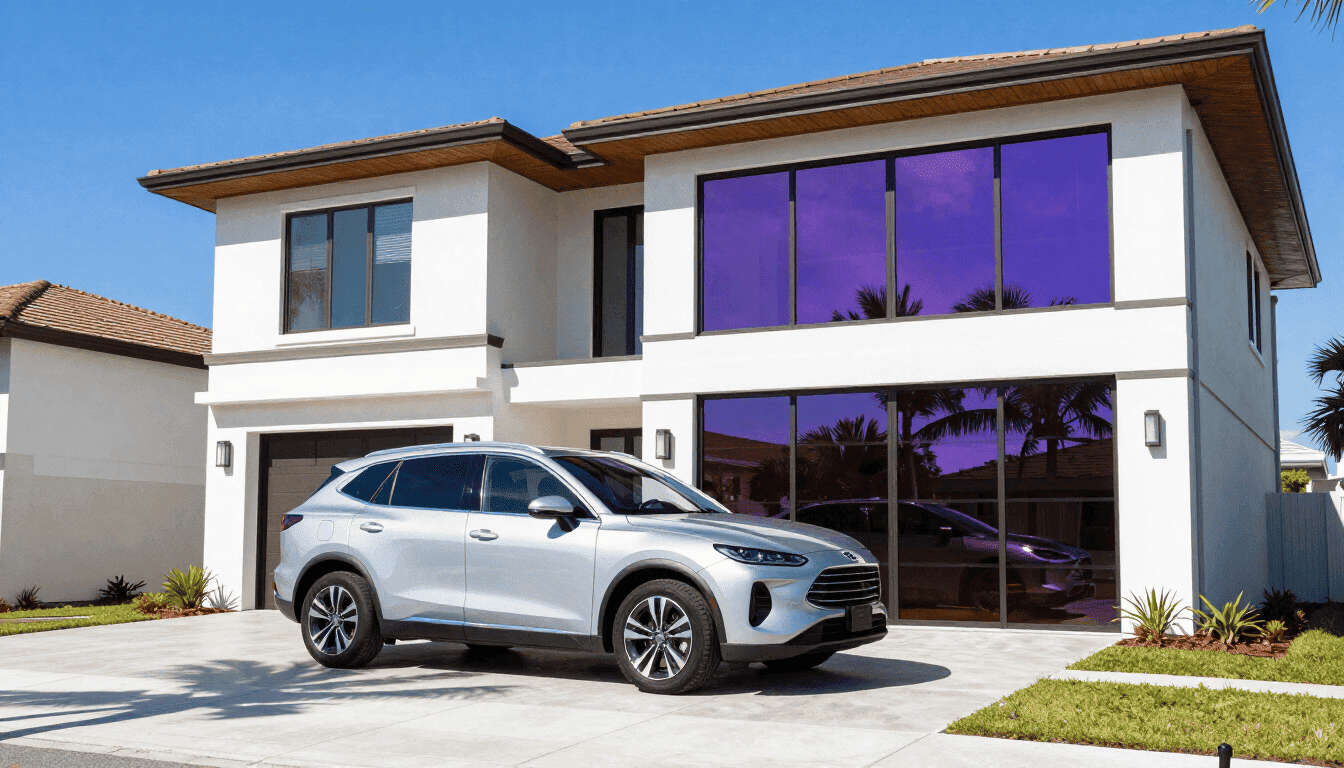
Table of Contents
- How Window Tint Reduces Heat and Why Infrared Rejection Matters
- Why Heat Reduction Matters More in Florida's Climate
- Best Window Tint Options for Heat Reduction: Ceramic, Crystalline, and Dyed Film Compared
- How Much Cooler Tinted Windows Really Keep a Car or Home
- Choosing the Right Tint Shade and Film Type for Your Vehicle or Property
- Heat Reduction Benefits for Homes and Businesses, Not Just Cars
- Why Professional Installation Affects Real World Heat Rejection Performance
- FAQ
How Window Tint Reduces Heat and Why Infrared Rejection Matters
Window tint reduces heat by limiting how much solar energy passes through the glass. The biggest factor for comfort is not simply how dark the film looks from the outside. It is how effectively the film rejects infrared energy, which is the part of the sun's spectrum that creates much of the heat you feel on your skin and in the air around you.
When people search for the best window tint for heat reduction, they often assume a darker film must be cooler. In reality, two films with similar appearance can perform very differently. A high quality heat rejection window film can block a significant amount of infrared heat while still allowing useful visible light into the vehicle or room.
What measurements matter most?
The most useful performance terms include total solar energy rejected, infrared rejection, UV protection, and visible light transmission. TSER gives a broader picture of how much total solar energy is kept out. Infrared rejection focuses more directly on heat. UV protection matters for fading and skin exposure. Visible light transmission tells you how dark or light the film appears.
Why infrared rejection is the real comfort metric
If your goal is a cooler cabin, office, storefront, or living room, infrared rejection deserves close attention. A premium ceramic or multi layer film can often feel much cooler than a basic darker film because it is engineered to target heat, not just glare. This is why many Palm Beach County property owners and drivers choose advanced films instead of entry level dyed tint.
Why Heat Reduction Matters More in Florida's Climate
Florida heat is different because it is persistent. In Jupiter and surrounding communities, sun exposure can last most of the day, especially on east and south facing windows and vehicles parked outdoors. High humidity also makes warm interiors feel even more oppressive because the body cools less efficiently.
For drivers, excessive cabin heat can make every trip uncomfortable. Steering wheels, seats, dashboards, and child safety seats can become dangerously hot. For homeowners and business owners, solar heat gain can create hot spots near windows, uneven room temperatures, and more constant air conditioning cycles.
Why Palm Beach County conditions raise the stakes
Local conditions make window tint for hot climates especially valuable. Coastal glare, reflective pavement, and year round sun all contribute to interior heat buildup. Even short parking periods can dramatically raise interior temperatures in vehicles. In homes and commercial properties, untreated windows can become a major source of heat gain during the hottest months.
Comfort, efficiency, and protection
Heat reduction is about more than comfort. Effective film can help reduce strain on air conditioning systems, improve daily usability of sunny rooms, and support better protection against UV related fading on upholstery, flooring, dashboards, furniture, and merchandise. For many Florida residents, that makes heat rejecting window film a practical upgrade rather than a cosmetic add on.
Best Window Tint Options for Heat Reduction: Ceramic, Crystalline, and Dyed Film Compared
The best window tint for heat reduction usually comes down to film technology. For Florida summers, ceramic and advanced multi layer films typically outperform standard dyed products in real world comfort.
3M Ceramic IR Series
3M Ceramic IR Series is a strong option for drivers and property owners who want high infrared rejection, solid clarity, and no signal interference. Ceramic technology is popular because it delivers strong heat control without relying on metal layers that can interfere with GPS, cell signals, or radio reception. For many Palm Beach County customers, it offers an excellent balance of premium performance and long term value.
3M Crystalline Series
3M Crystalline Series is often chosen when maximum heat rejection is the top priority, especially in applications where people want a lighter appearance with high performance. Its multi layer construction is designed to reject substantial heat while maintaining visibility. This can make it appealing for select vehicles, homes, and commercial spaces where appearance and thermal performance both matter.
Standard dyed tint
Dyed film is usually the budget option. It can improve privacy, reduce glare, and offer some UV protection, but it generally does not match the heat blocking performance of ceramic or premium multi layer films. In the Florida sun, dyed tint may also be more prone to fading or discoloration over time.
Heat reduction comparison table
| Film Type | Total Solar Energy Rejected | Infrared Heat Rejection | UV Protection | Visible Light Transmission Options | Signal Interference | Fade and Discoloration Resistance | Typical Price Point |
|---|---|---|---|---|---|---|---|
| 3M Ceramic IR Series | High | High | Excellent | Multiple shade options from lighter to darker | No | Excellent | Premium |
| 3M Crystalline Series | Very High | Very High | Excellent | Broad range including lighter high performance options | No | Excellent | Premium to top tier |
| Standard Dyed Tint | Low to Moderate | Low to Moderate | Good to Very Good depending on product | Usually available in several darker shades | No | Fair to Moderate | Entry level to midrange |
For customers comparing 3M Ceramic IR Series against lower cost films, the main difference is that premium film is built for comfort performance, durability, and better long term optical stability. David Wood Window Tinting uses 3M products, which makes 3M a natural choice for people in Jupiter FL who want premium window tinting backed by proven UV protection and a limited lifetime warranty.
How Much Cooler Tinted Windows Really Keep a Car or Home
One of the most common questions is how much temperature difference tint actually makes. The honest answer is that results vary based on film type, glass area, sun angle, interior color, insulation, and how long the vehicle or building sits in direct sun. Still, quality heat rejection window film can create a clearly noticeable improvement.
What most people notice first
Most people notice that surfaces feel less scorching, the air cools down faster once the AC is on, and sunny rooms stay more comfortable during peak afternoon hours. In vehicles, premium film can reduce the sharp burning sensation from direct sunlight on arms and legs. In homes and businesses, it can reduce solar hot spots near windows and make large glass areas more usable.
Realistic expectations
Window tint does not turn a parked car into a refrigerator or eliminate the need for air conditioning. What it does is slow heat gain, reduce radiant heat, and help the cooling system recover faster. In practical terms, that often means less extreme temperature buildup and a more manageable interior environment.
For homes and offices, the effect can be especially useful in rooms with sustained direct exposure. Spaces that were previously uncomfortable in the afternoon may feel more balanced after film installation. The biggest benefits usually come from combining premium film selection with proper glass coverage on the most sun exposed windows.
Auto versus residential and commercial heat reduction
| Application | Main Heat Problem | Primary Benefit of Film | Best Film Priorities |
|---|---|---|---|
| Vehicles | Rapid cabin heat buildup, hot surfaces, glare while driving | Faster comfort recovery, lower radiant heat, improved driving comfort | High infrared rejection, legal shade compliance, clear visibility |
| Homes | Hot rooms, uneven temperatures, fading on furniture and floors | Reduced solar gain, better comfort near windows, UV protection | Heat control, appearance, daylight balance, long term clarity |
| Commercial Buildings | Glare, employee discomfort, cooling inefficiency, sun exposure on displays | Improved occupant comfort, reduced glare, better temperature consistency | Performance on large glass areas, aesthetics, UV protection |
Choosing the Right Tint Shade and Film Type for Your Vehicle or Property
The right tint choice is about more than selecting the darkest option. For the best window tint for heat reduction, start with performance goals, then match the right shade and film technology to the application.
Darker does not always mean cooler
Darker film can reduce glare and add privacy, but darkness alone does not guarantee superior heat rejection. A lighter ceramic or crystalline film may reject more heat than a darker basic dyed film. That is why shoppers in Palm Beach County should compare product performance, not appearance alone.
For vehicles
Vehicle owners should consider Florida legal tint limits, driving visibility, cabin exposure, and where the vehicle spends most of the day. A car parked outside at work or on open driveways may benefit from a higher performance film even if the chosen shade is not extremely dark.
For homes and businesses
Property owners should consider orientation, window size, room usage, and design goals. South and west facing glass often needs the most aggressive heat control. In living spaces and storefronts, many people prefer films that keep a more natural appearance while still improving comfort. This is where advanced 3M options can be attractive because they can provide strong heat control without making the glass look excessively dark.
Budget also matters. Dyed film may serve basic needs, but ceramic and premium multi layer films often provide better comfort, durability, and long term performance in Florida's demanding climate.
Heat Reduction Benefits for Homes and Businesses, Not Just Cars
Window tinting Jupiter FL searches often start with vehicles, but heat reduction film can be just as valuable for homes and commercial buildings. Large windows create beautiful views and natural light, but they can also bring in unwanted solar heat for hours every day.
Residential advantages
For homeowners, window film can make sun facing bedrooms, living rooms, kitchens, and home offices easier to enjoy during summer. It can also support better furniture, flooring, artwork, and interior finish protection through strong window film UV protection. In many cases, people choose film because they are tired of shutting blinds all day just to keep one room usable.
Commercial advantages
For offices, retail spaces, and customer facing businesses, heat rejecting film can improve staff comfort and reduce glare on screens while helping create a more consistent indoor experience. It can also help protect displays, merchandise, and furnishings from sun related fading.
Why 3M is often considered a premium solution
When long term performance matters, premium 3M products stand out for Palm Beach County window tint projects because they are associated with strong infrared heat rejection, high UV protection, durability, and warranty support. That does not mean every building needs the same film, but it does mean homeowners and business owners should view film as a performance investment, not just a cosmetic upgrade.
Why Professional Installation Affects Real World Heat Rejection Performance
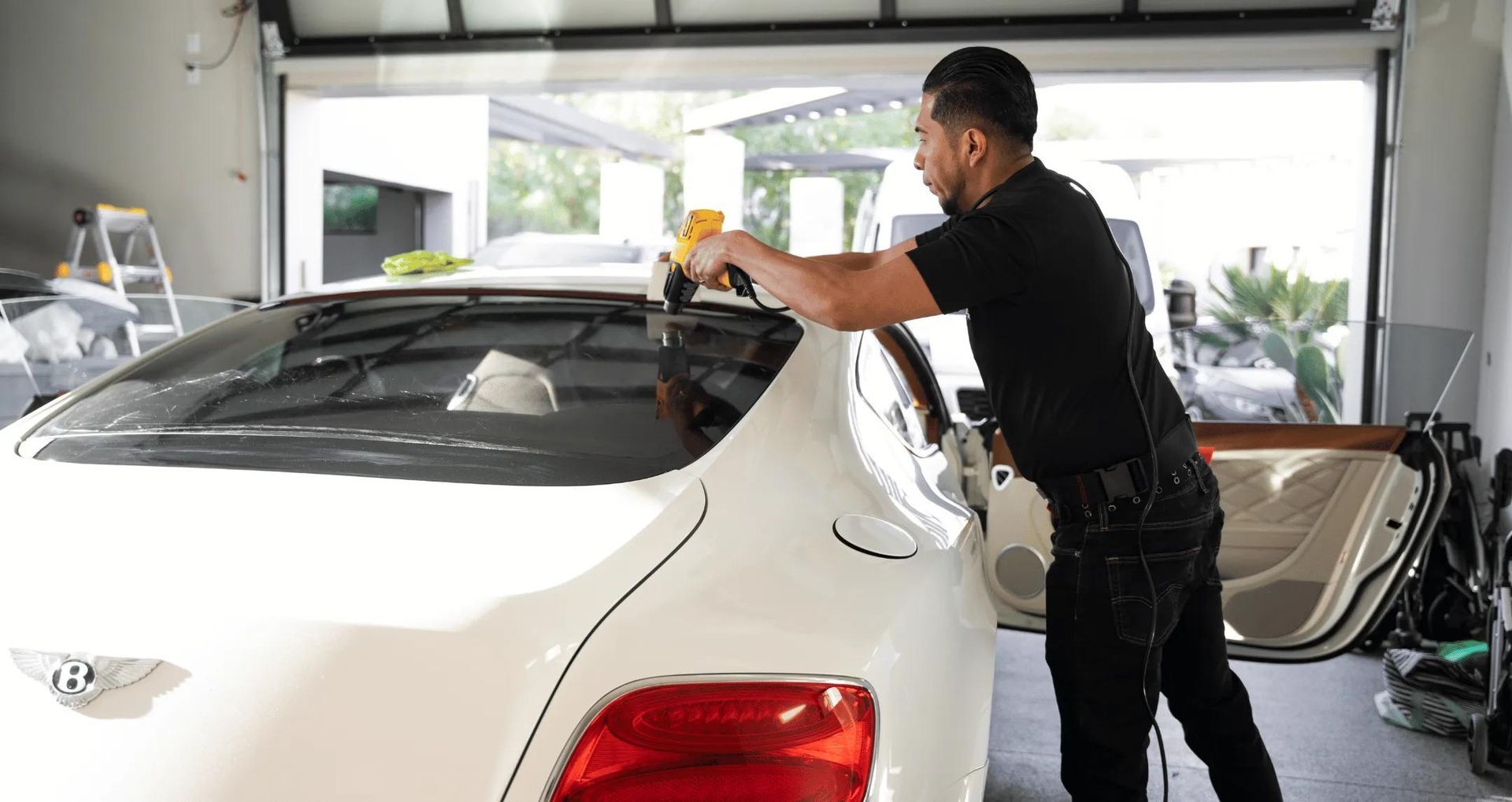
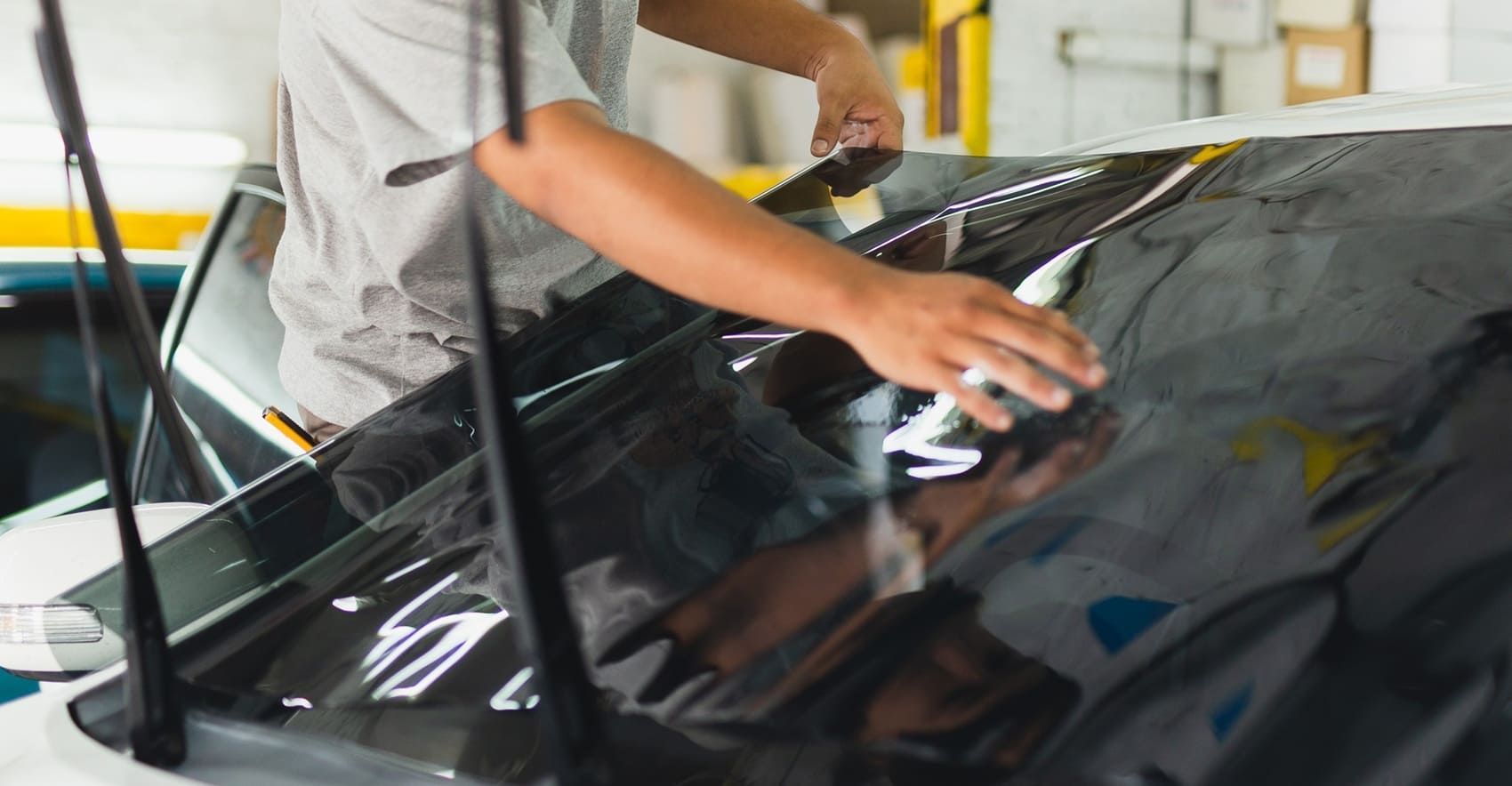
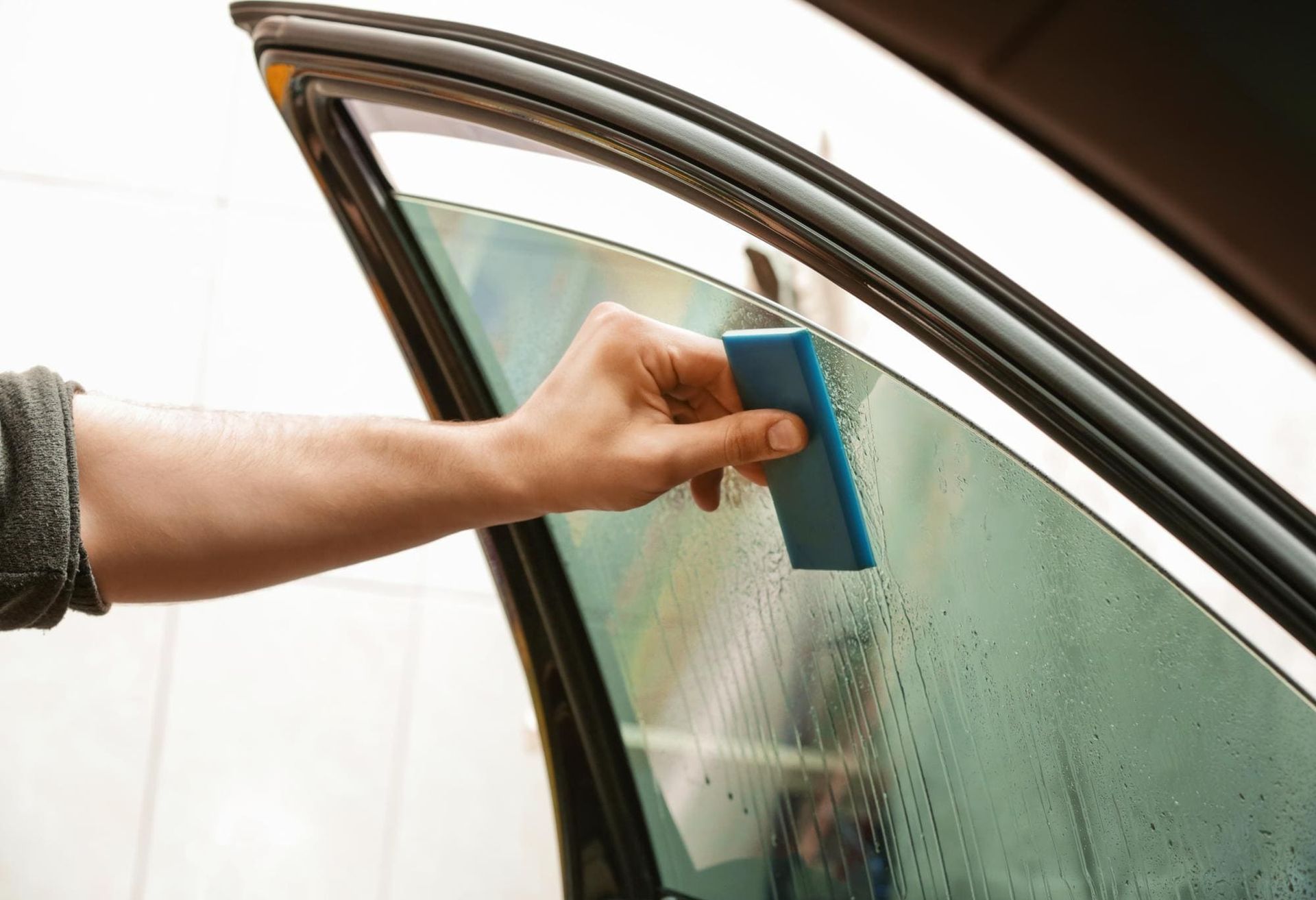
Even the best heat rejection window film can underperform if it is poorly installed. Professional installation matters because performance depends not only on the product but also on how accurately it is fitted, applied, and finished.
Why installation quality changes results
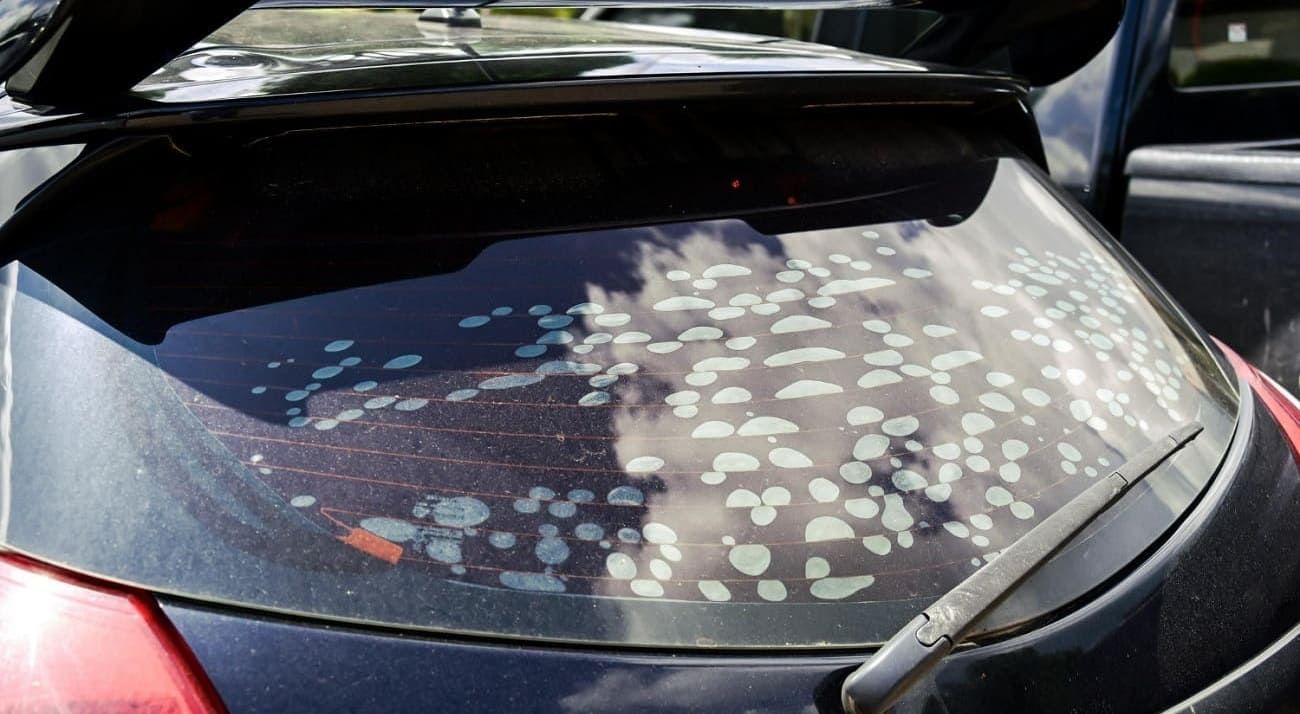
Gaps, contamination, peeling edges, and improper application can reduce appearance, shorten lifespan, and compromise the consistent coverage needed for reliable results. A professionally installed film is more likely to maintain clarity, adhesion, and durability over time, especially under intense Florida sun exposure.
Application knowledge matters
Vehicles, homes, and commercial buildings all have different glass characteristics. An experienced installer can recommend appropriate film types, explain legal or practical shade considerations, and help match the product to the specific heat problem. This is especially important when customers are deciding between options like 3M Ceramic IR Series and 3M Crystalline Series.
Why local experience helps
In Jupiter and the broader Palm Beach County area, installers regularly see how different products hold up under coastal sun, humidity, and daily heat cycles. That local experience can help customers make a smarter decision about where to invest for long term comfort and value.
FAQ: Best Window Tint for Heat Reduction in Florida
How much heat can window tint actually block?
It depends on the film type, glass, and sun exposure, but premium films can reject a substantial amount of solar energy and noticeably reduce radiant heat inside a car, home, or business.
Does darker tint always block more heat?
No. Darkness mainly affects visible light and glare. A lighter high performance ceramic or crystalline film can outperform a darker basic dyed film for heat reduction.
What is the best window tint for heat reduction in hot climates?
For many Florida applications, ceramic and advanced multi layer films are among the best choices because they offer stronger infrared rejection and long term durability than standard dyed tint.
Is 3M Ceramic IR Series a good choice for Florida summers?
Yes. It is often a smart option for Florida because it offers strong infrared heat rejection, clear visibility options, no signal interference, and premium durability.
Is 3M Crystalline better than ceramic tint for heat control?
In some applications, 3M Crystalline can offer even higher heat rejection, especially when people want a lighter looking film with strong performance. The better choice depends on goals and budget.
Does window tint lower air conditioning costs?
It can help reduce cooling demand by slowing solar heat gain. Savings vary, but many property owners notice less strain on AC systems and better comfort in sun exposed spaces.
How much cooler will my car feel with premium window tint?
Most drivers notice less intense radiant heat, cooler surfaces, and faster comfort after the AC starts. Results vary based on parking conditions, interior color, and film type.
Can window tint help keep a home cooler in Jupiter FL?
Yes. Heat rejecting window film can reduce hot spots near windows, improve room comfort, and help manage solar gain during long sunny afternoons.
Is residential window film different from automotive tint?
Yes. Each is designed for different glass types, performance goals, and application conditions. The right product should match the specific vehicle or property use case.
Does window film help protect furniture, dashboards, and flooring?
Yes. Quality film can provide excellent UV protection, which helps reduce fading and sun related wear on interior materials over time.
How long does heat rejecting window film last in Florida?
Premium film installed professionally can last for many years. Longevity depends on product quality, glass conditions, and exposure, but high end films are built for strong durability.
What are the legal tint darkness limits in Florida?
Florida has legal limits for automotive tint darkness that vary by window location. Vehicle owners should confirm compliance before choosing shade levels.
Will ceramic tint interfere with GPS, radio, or cell signals?
No. Ceramic films are commonly chosen because they provide strong heat rejection without metal related signal interference.
Does professional installation affect heat rejection performance?
Yes. Proper installation supports full coverage, clean adhesion, long term clarity, and the real world performance you expect from premium film.
How soon will I notice the heat reduction after installation?
Most people notice the comfort difference immediately once the film is in service, especially in direct sun, although final curing may still take some time depending on conditions.
Conclusion: Choosing the Best Heat Blocking Window Tint in Palm Beach County
If your goal is maximum comfort during Florida's hottest months, the best window tint for heat reduction is usually a premium ceramic or advanced multi layer film rather than a basic dyed option. For many drivers, homeowners, and businesses in Jupiter, West Palm Beach, Palm Beach Gardens, Stuart, and Juno Beach, 3M Ceramic IR Series offers an excellent balance of infrared rejection, UV protection, durability, and everyday value. For those pursuing even more heat control with lighter appearance options, 3M Crystalline can be especially compelling.
The right film still depends on your vehicle or building type, your budget, and how much direct sun exposure the glass receives each day. A professional recommendation helps ensure you get the performance you are actually paying for. If you are ready to improve comfort, reduce solar heat, and protect interiors with premium 3M window tint products, contact David Wood Window Tinting for a free estimate in Jupiter and throughout Palm Beach County.