Window Tint Laws by State: What Drivers Must Know in 2026
Window tint laws are set by each state, not the federal government, so what's legal in one state can get you a ticket in another. Every state measures tint by Visible Light Transmission (VLT), the percentage of light that passes through the window and film combined. Front side windows are the most regulated almost everywhere. Limits range from about 25% VLT in the most lenient states to 70% in the strictest, and a few states ban front-window film entirely. Rear windows are usually more flexible, especially on SUVs, vans, and trucks.
For Florida drivers, here's the key point. Florida requires at least 28% VLT on front side windows. Rear windows can go to 15% on sedans and 6% on SUVs, vans, and trucks. Florida is moderate compared with many states, but it's stricter than some, and drivers moving here from states like Texas may have tint that doesn't comply.
Palm Beach County is home to new residents and seasonal visitors from all over the country. If you've moved to Jupiter from New York, wintered in Palm Beach Gardens from Ohio, or plan a road trip up I-95, this guide explains how tint laws work state by state and what you need to know to stay legal.
How Window Tint Laws Work
Before comparing states, it helps to know what tint laws actually regulate. Most states cover the same basic categories.
VLT (Visible Light Transmission)
VLT is the percentage of visible light that passes through your window. A 70% VLT window looks nearly clear, while a 5% VLT window, often called limo tint, looks nearly black. Most states measure VLT through the film and glass combined, and factory glass isn't perfectly clear. That means a film's rating isn't the same as the final reading. For example, a 35% film on typical factory glass often measures closer to 30%.
Windows Are Regulated Differently
States usually set separate rules for:
- Windshield: Most allow only a non-reflective strip at the top, often above the manufacturer's AS-1 line or within a set number of inches.
- Front side windows: The driver and front passenger windows are the most strictly regulated, since officers need to see inside.
- Rear side windows and back window: These are often more lenient, and many states have no limit on SUVs, vans, and trucks.
Other Rules States Commonly Include
- Reflectivity limits on mirrored or metallic films
- Color restrictions on films like red, amber, or blue
- Dual side mirror requirements when the rear window is tinted
- Compliance stickers identifying legal film
- Medical exemptions for drivers with light-sensitive conditions
Florida Window Tint Laws
Since you're driving in Florida, start here. Florida's tint rules are found in sections 316.2951 through 316.2957 of the Florida Statutes.
| Window | Sedans and Coupes | SUVs, Vans, and Trucks |
|---|---|---|
| Windshield | Non-reflective tint above the AS-1 line | Non-reflective tint above the AS-1 line |
| Front side windows | At least 28% VLT | At least 28% VLT |
| Rear side windows | At least 15% VLT | At least 6% VLT |
| Rear window | At least 15% VLT | At least 6% VLT |
| Front side reflectivity | No more than 25% | No more than 25% |
| Rear side reflectivity | No more than 35% | No more than 35% |
Florida also requires dual side mirrors if the rear window is tinted and a compliance sticker inside the driver's door jamb. Medical exemptions are available through the Florida Department of Highway Safety and Motor Vehicles (FLHSMV).
Most Florida installers use a 35% film on front windows. Once combined with factory glass, it typically measures around 30%, safely above the 28% minimum. A 30% film often measures below 28% and can get you a ticket.
Window Tint Laws in Other States: A Comparison
Here's a general look at how Florida compares with other states, including the Southeast and several states many Palm Beach County residents come from. Figures are for passenger cars (sedans). Many states allow darker rear windows on SUVs, vans, and trucks.
| State | Front Side Windows | Rear Side Windows (Sedans) | Notable Rules |
|---|---|---|---|
| Florida | 28.% | 15% | SUVs, vans, and trucks can go to 6% in back |
| Georgia | 32% | 32% | Windshield tint limited to the top 6 inches |
| Alabama | 32% | 32% | Similar to Georgia |
| South Carolina | 27% | 27% | Darker allowed on SUV rear windows |
| North Carolina | 35% | 35% | Darker allowed on SUV rear windows |
| Texas | 25% | Any darkness | Dual mirrors required with tinted rear window |
| California | 70% | Any darkness | Among the strictest front-window rules |
| New York | 70% | 70% | Darker allowed on SUV rear windows |
| New Jersey | No aftermarket film | Any darkness | No windshield film allowed |
| Pennsylvania | 70% | 70% | No windshield film allowed |
| Massachusetts | 35% | 35% | Uniform limit on most windows |
| Maryland | 35% | 35% | Uniform limit on most windows |
| Virginia | 50% | 35% | Darker allowed on SUV rear windows |
| Ohio | 50% | Any darkness | Lighter front limit than Florida |
| Michigan | Top 4 inches only | Any darkness | Front side windows essentially untinted |
| Illinois | Varies | Varies | Several coordinated front/rear combinations allowed |
Laws change and interpretations vary, so always confirm current rules with your state's motor vehicle agency or law enforcement.
The Strictest States
States like California, New York, and Pennsylvania require front side windows to allow 70% of light through, which leaves room for only very light film. New Jersey doesn't allow aftermarket film on front side windows at all, and Michigan allows only a strip at the top. Drivers from these states often have little or no front tint. Moving to Florida gives them room to go darker legally.
The Most Lenient States
Texas allows front side windows as dark as 25% VLT, and New Mexico allows even darker. Drivers relocating from these states often have front tint darker than Florida's 28% minimum, which can lead to a ticket once their vehicle is registered here.
The Southeast
Neighboring states are fairly similar to Florida but not identical. Georgia and Alabama use 32% on most windows, South Carolina uses 27%, and North Carolina uses 35%. A car tinted for Florida's 28% front limit may be slightly too dark for Georgia or North Carolina standards.
Is Out-of-State Tint Legal in Florida?
It depends on whether you're visiting or living here.
If You're Visiting or Traveling Through
Many states generally evaluate a nonresident vehicle based on the laws of the state where it's registered. That isn't guaranteed everywhere, and an officer can still stop a vehicle whose tint looks unusually dark. If your tint is legal in your home state, keep your registration and any exemption paperwork handy when traveling.
If You've Moved to Florida
Once you become a Florida resident, you're generally required to register your vehicle in Florida, typically within 10 days of establishing residency. After that, your vehicle must comply with Florida tint law. If your tint is darker than Florida allows, such as dark front windows from Texas, you'll need to replace it with compliant film.
Seasonal Residents and Snowbirds
If you split your time between Palm Beach County and another state and your vehicle stays registered up north, your home-state law generally applies. Many seasonal residents choose a tint that's legal in both states to avoid issues. Tint that meets a strict state's rules, like New York's, is generally legal in Florida too.
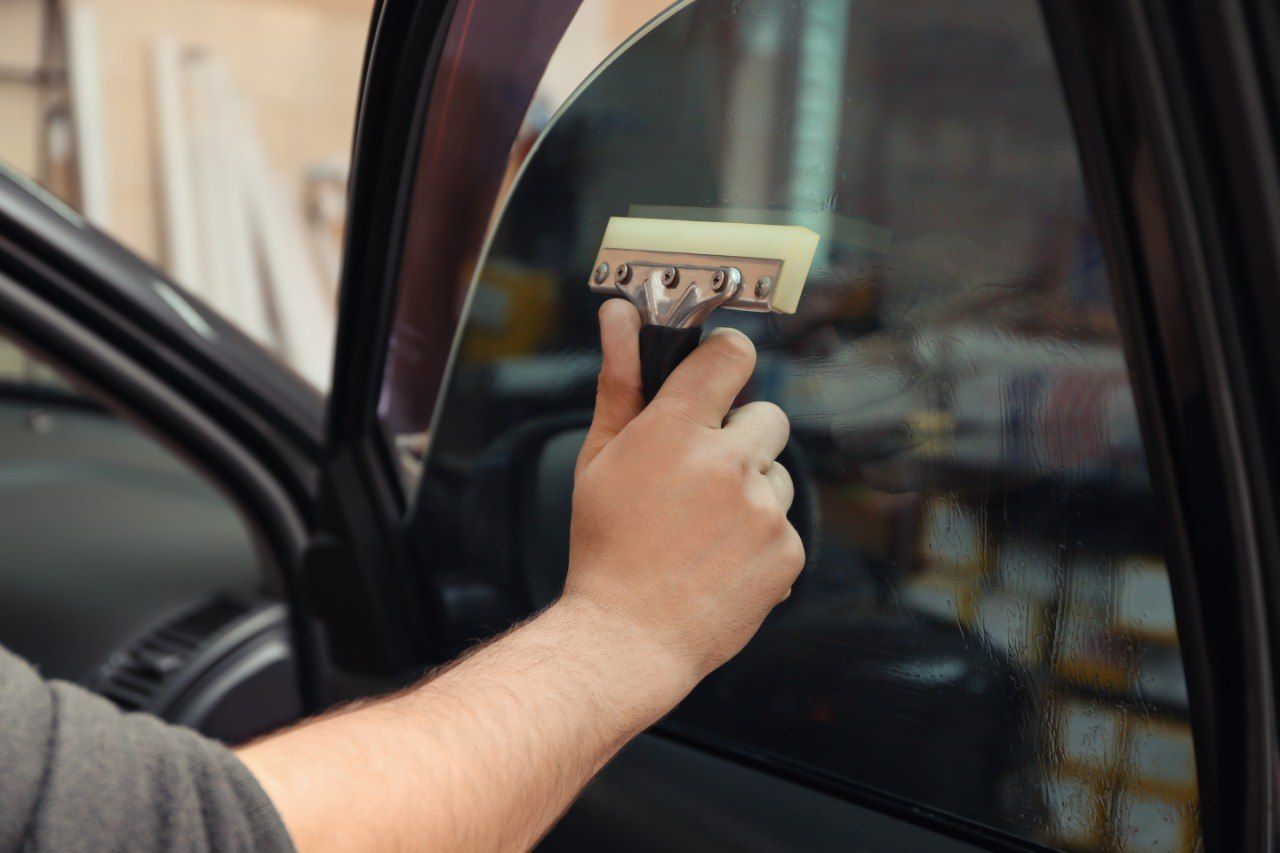
Tips for Staying Legal in Every State
If you travel, move, or plan to sell your vehicle out of state, these tips can help:
- Tint to the stricter standard if you regularly drive in more than one state.
- Account for factory glass. Ask your installer to meter your windows after installation.
- Choose high-performance film over dark film. Ceramic film rejects more heat at lighter shades.
- Keep your compliance sticker in place, along with your installation receipt.
- Carry medical exemption paperwork if you have one. Exemptions are issued by individual states, so check whether yours is honored elsewhere.
- Avoid mirrored and colored films, which are restricted in many states.
- Check the rules before a long road trip, especially if your front tint is dark.
How to Get Great Heat Rejection at Any Legal Shade
Many drivers want dark tint because they assume darker means cooler. In reality, much of the sun's heat comes from infrared light, which you can't see. A high-performance film can reject significant heat even at lighter shades.
That's especially useful if you split time between Florida and a stricter state, or want to stay legal everywhere.
| 3M Film Series | Construction | Key Benefit | Best For |
|---|---|---|---|
| Ceramic IR Series | Ceramic | Strong infrared rejection in a neutral color | Florida drivers who want maximum comfort at legal shades |
| Crystalline Series | Non-metallized, multilayer | High heat rejection without a dark look | Drivers who want performance with lighter shades |
| Color Stable Series | Color-stable film | Rejects up to 64% of total solar energy | Classic tinted look with long-lasting color |
All 3M automotive films block harmful UV rays and help protect your skin and your vehicle's interior from fading.
What Happens If Your Tint Breaks the Law?
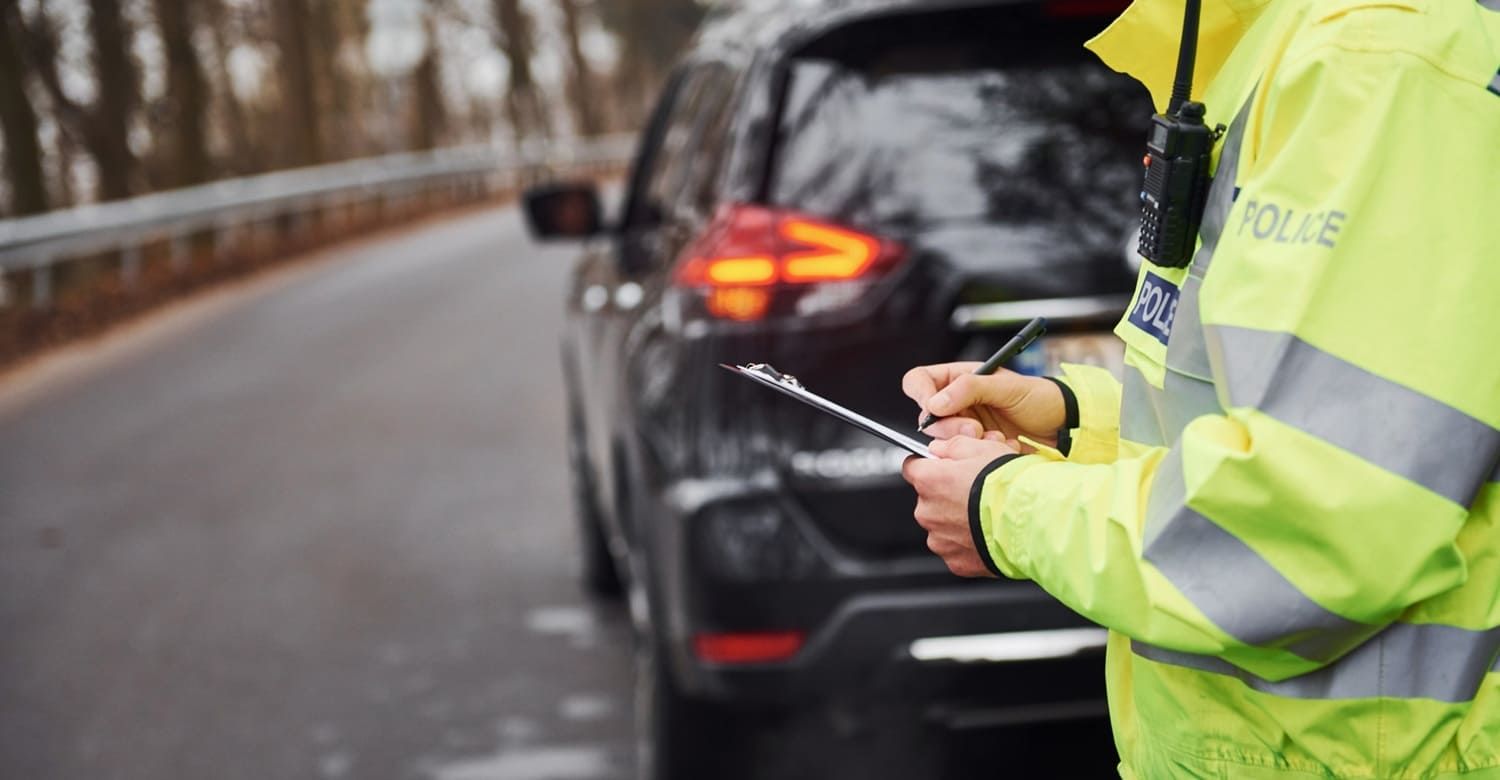
Penalties vary widely by state. In Florida, a tint violation is a noncriminal traffic infraction, and you can be cited for each noncompliant window. Some states treat violations as fix-it tickets, while others impose larger fines or require inspections. Illegal tint can also cause problems with state safety inspections where they're required, and it can complicate selling your vehicle to someone in another state.
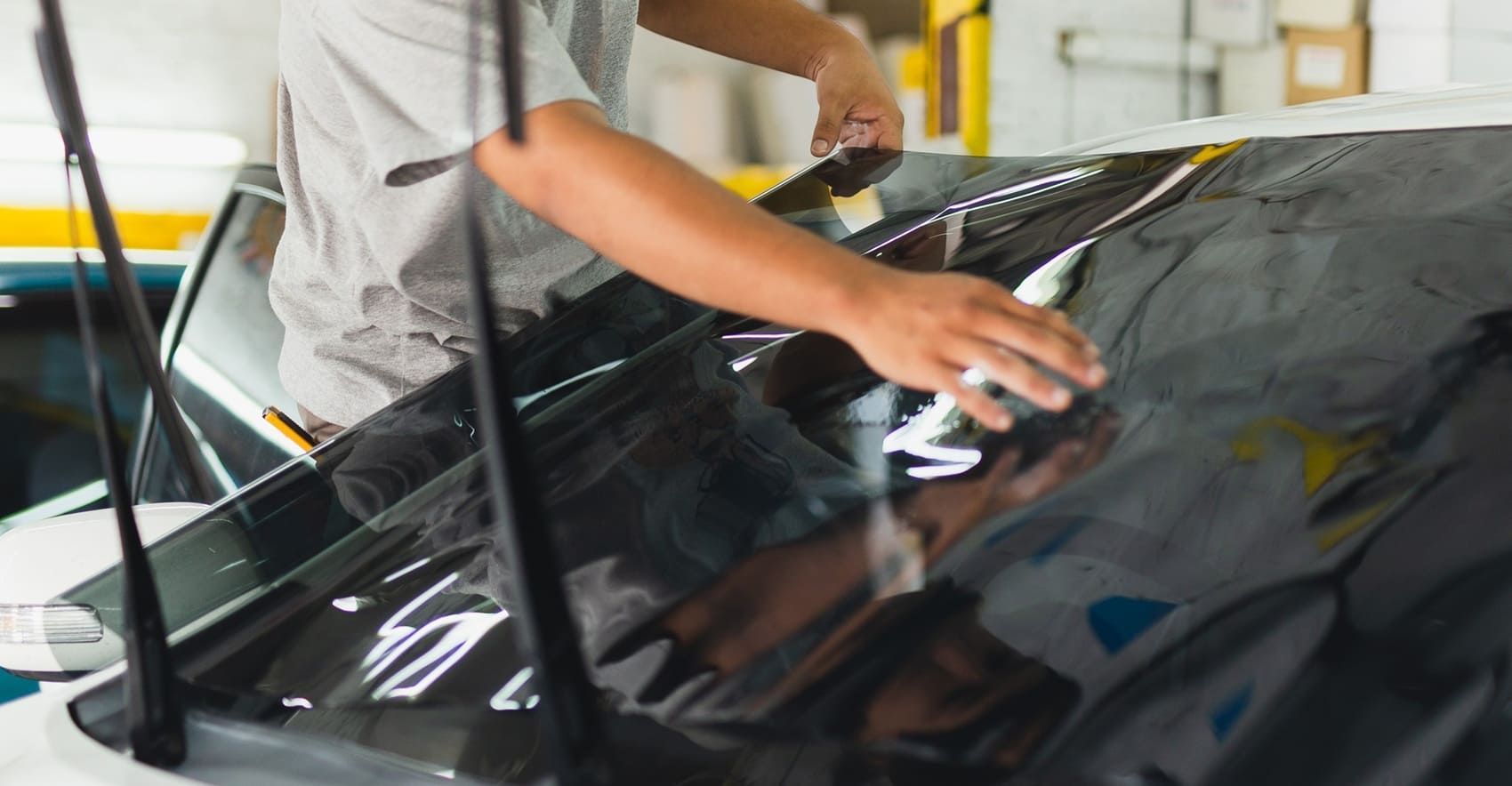
The simplest way to avoid all of this is to have your tint installed by a professional who knows the law and meters your windows.
Why Palm Beach County Drivers Choose David Wood Window Tinting
David Wood Window Tinting is a family-owned shop in Jupiter and a 3M Certified Dealer and Certified Installer in the Elite 3M Prestige Dealer Network. The shop installs only 3M automotive films, which are tested to extremes and backed by a limited lifetime warranty against peeling, bubbling, and other defects.
Customers often mention that David gives honest advice about which shade will look best and work best for their vehicle and needs, while staying within the law. Whether you've just moved to Florida with out-of-state tint or want tint that's legal in every state you drive, you'll get personal attention and precise workmanship. The shop serves Jupiter, Palm Beach Gardens, Juno Beach, Stuart, West Palm Beach, and the rest of Palm Beach County. Residential, commercial, and marine window film are also available.
Frequently Asked Questions About Window Tint Laws by State
Do window tint laws vary by state?
Yes. There's no federal tint standard for passenger vehicle side windows, so each state sets its own limits for VLT, reflectivity, windshield tint, and exemptions.
What's the darkest legal tint in Florida?
Front side windows must allow at least 28% of light. Rear windows can go to 15% on sedans and 6% on SUVs, vans, and trucks. Windshield tint is allowed only above the AS-1 line.
Is my out-of-state tint legal in Florida?
If you're visiting, your home-state laws generally apply, but enforcement varies. If you've become a Florida resident and registered your vehicle here, your tint must meet Florida law.
Which state has the strictest tint laws?
States like California, New York, and Pennsylvania require 70% VLT on front side windows. New Jersey doesn't allow aftermarket film on front side windows, and Michigan allows only a top strip.
Do SUVs have different tint laws?
In many states, yes. SUVs, vans, and trucks often have more lenient or no limits on rear windows. Front side window rules are usually the same for all vehicles.
Does a medical tint exemption work in other states?
Not necessarily. Medical exemptions are issued by individual states, so check whether your exemption is recognized before traveling or moving.
What happens if I move to Florida with tint that's too dark?
Once your vehicle is registered in Florida, it must meet Florida tint law. You may need to have the old film removed and replaced with compliant film.
Stay Legal Wherever You Drive
Window tint laws vary from state to state, and front side windows are the most strictly regulated almost everywhere. In Florida, that means at least 28% VLT in front, 15% on sedan rear windows, and 6% on SUV, van, and truck rear windows. If you've moved here, split time between states, or travel often, choose a shade that keeps you legal and let a professional confirm the final reading. With high-performance film, you don't have to choose between staying legal and staying cool.
Ready to get tint that's legal and built to last?
Call David Wood Window Tinting at (561) 575-6114 to schedule an appointment, or request
a free estimate online. The shop is located at 2875 Jupiter Park Dr, Suite 2200, in
Jupiter and is open Monday through Friday, 8 a.m. to 5 p.m.
This article is for general informational purposes only and isn't legal advice. Tint laws change, so always confirm current rules with your state's motor vehicle agency or local law enforcement.