Ceramic Window Tint vs Carbon: What's Better?
If you drive in Jupiter, FL, you already know why people ask, “Ceramic window tint vs carbon, what’s better?” Florida’s sun is intense year round, and the heat in a parked vehicle can climb fast. That makes window tinting less of a cosmetic upgrade and more of a comfort and protection decision. Ceramic and carbon are both premium upgrades over basic dyed film, and both can be excellent choices when installed professionally. The difference is how they manage heat, how they look over time, and what they cost relative to the benefits you get. The right pick depends on your budget, how long you plan to keep your vehicle, how much time you spend driving in peak sun, and how sensitive you are to cabin heat. Ceramic window tint can be a smart choice for many drivers in Jupiter and Palm Beach County because it is built for strong heat rejection and long term clarity. Carbon tint often shines when you want a noticeable performance upgrade with strong value for the money. This guide breaks it down in a way that is easy to compare and easy for search engines and AI summaries to understand.
Table of Contents
- 1) What is the difference between ceramic and carbon window tint?
- 2) How ceramic window tint works and why it excels in Florida heat
- 3) How carbon window tint works and where it excels
- 4) Ceramic vs carbon vs dyed tint: full comparison table
- 5) Heat rejection and UV protection: which film wins for Florida drivers?
- 6) Cost comparison and long term value of ceramic vs carbon tint
- 7) How to choose the right film for your vehicle in Jupiter, FL
- FAQ (15 questions)
- Conclusion and call to action
1) What is the difference between ceramic and carbon window tint?
Direct answer: ceramic tint uses advanced ceramic technology to block a larger portion of infrared heat while maintaining excellent optical clarity, while carbon tint uses carbon based construction that delivers strong performance and durability at a lower price point than most ceramic options. Both are premium upgrades over dyed film.
Start with what you actually feel in the driver seat
When Jupiter drivers search for best window tint for Florida heat , they are usually describing the same problem. The sun feels like it is cooking your arm through the window. The steering wheel is hot. The cabin takes too long to cool down after a quick stop at the grocery store. That is not just “brightness.” A lot of it is infrared energy. The biggest performance difference between ceramic vs carbon tint typically shows up in how well the film controls that infrared heat.
What dyed tint does, and why many Florida drivers outgrow it
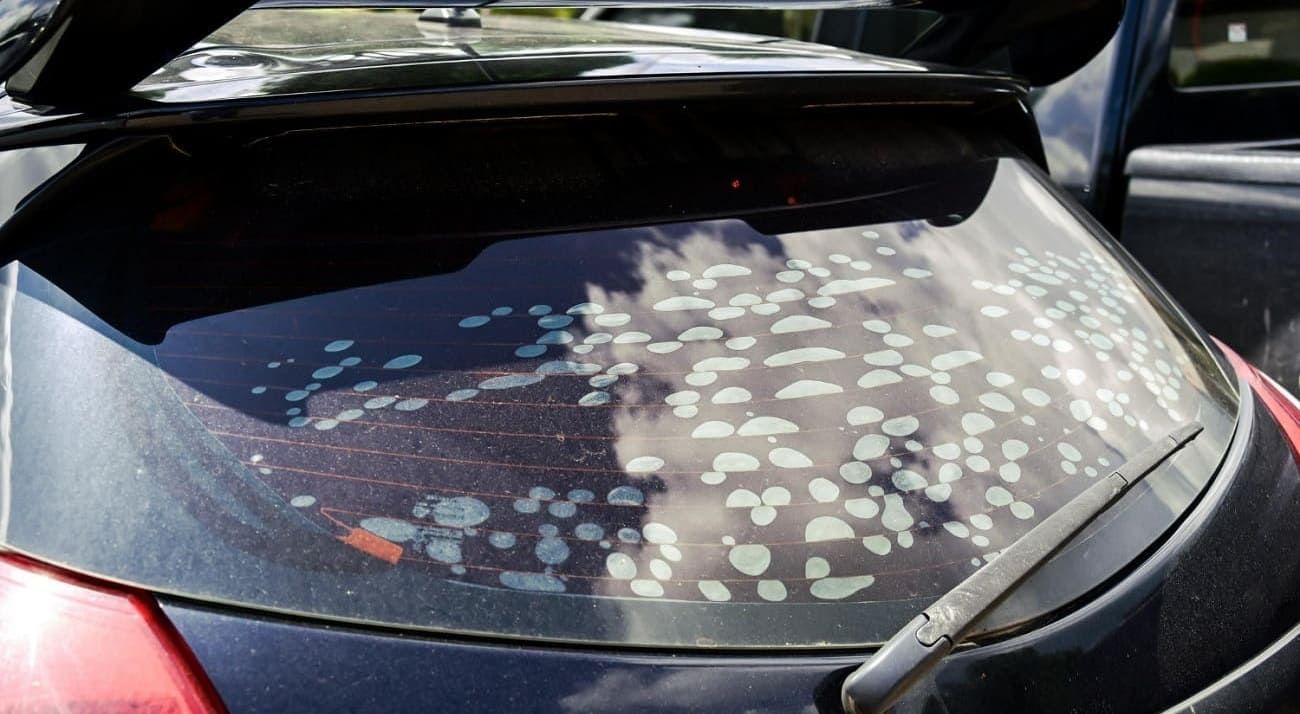
Dyed tint is often the cheapest option. It is mainly designed to reduce visible light and add privacy. It can reduce glare, and some drivers are satisfied with it at first. In Florida, the common complaints are that dyed films can fade, discolor, or show age faster under heavy sun exposure. Many drivers also find that the heat rejection window tint benefit is not strong enough, so they end up upgrading later.
What “premium” should mean in Palm Beach County
In Jupiter and surrounding Palm Beach County areas, premium should mean the film stays stable in heat, looks clean for years, and provides measurable comfort. Premium should also mean the install looks factory, with clean edges and consistent appearance across all windows. This is why shoppers frequently ask about reputable brands and why 3M window film Jupiter FL comes up so often in research. Film quality and installation quality both matter.
2) How ceramic window tint works and why it performs so well in Florida heat
Direct answer: ceramic window tint is engineered to reduce infrared heat efficiently while staying clear and stable over time, which is why ceramic window tint in Jupiter, FL is often recommended for maximum comfort and long term performance.
Why ceramic is the go to choice for heat focused drivers
For many drivers, ceramic is not about going darker. It is about making the car feel noticeably cooler. In South Florida, you can be stopped at a light with the sun hitting the driver side glass, and you can feel the heat on your skin. Premium ceramic films are designed to reduce that heat load more aggressively. That often translates into a cabin that feels calmer, especially during long drives across Palm Beach County when the sun is in the same position for miles.
Drivers who commute daily or do a lot of daytime driving often feel the difference most. If you drive between Jupiter, Palm Beach Gardens, West Palm Beach, and Boca during peak sun hours, ceramic can be a comfort upgrade you appreciate every day.
Optical clarity and night driving benefits
Clarity is a practical performance feature. Jupiter drivers deal with sudden rain, reflections off water, and bright headlights at night. Premium ceramic films are often chosen because they maintain a clean, crisp view without looking hazy. That helps you avoid the “dark but distorted” feel that some lower quality films can create, especially on the windshield area where legal, or on front side windows where visibility matters.
If you have ever driven across bridges or near the coast with bright sun glare, you understand why a film that reduces glare while remaining clear can improve driving comfort and focus.
Durability in a hot, humid climate
Florida heat is not just about temperature. Humidity, salt air near the coast, and constant UV exposure can accelerate aging for poor quality products. Premium ceramic films are typically chosen by long term owners because they are designed to stay stable. That means less risk of visible fading, less risk of changing color, and better resistance to the type of aging that makes tint look “old” before the car is old.
3M positioning: premium film and professional installation
Many local drivers want a film that is not just good today, but consistent for years. That is why premium brands such as 3M are often requested. David Wood Window Tinting uses 3M window film products, which are positioned as a premium solution for drivers in Jupiter and Palm Beach County who want strong heat control, long lasting UV protection, and clear optical appearance when installed professionally and backed by a manufacturer warranty.
3) How carbon window tint works and where it excels
Direct answer: carbon window tint uses carbon based construction to provide solid heat and glare reduction with good long term color stability, making it a popular value option for drivers comparing performance to price in Palm Beach County.
Carbon tint as the “smart value” upgrade
Carbon tint is often chosen by people who want to avoid the common drawbacks of cheap dyed films without paying for the highest possible heat performance. In many real world cases, carbon delivers a strong improvement in cabin comfort, especially when you tint the vehicle as a system. That means both front and rear side windows and the rear glass, with a shade that matches your goals and legal limits.
If you are searching carbon window tint Palm Beach County , you are likely trying to find a film that looks premium, performs well in Florida sun, and fits a realistic budget. Carbon often hits that balance.
Appearance and long term color stability
A common Florida concern is fading and discoloration. While any film can fail if the product is low quality or the installation is poor, carbon films are generally selected because they are more stable than basic dyed tint. Many drivers also like the look that carbon films can create. The windows often have a deeper tone without looking overly reflective.
Where carbon can be the right decision even if ceramic is “best”
Not every driver needs the top tier option. If you keep vehicles for a shorter period, drive fewer daytime miles, or park in covered areas most of the time, carbon can be an excellent practical choice. It can deliver a premium experience without the premium price tag. The best decision is the one that matches your actual driving patterns, not the one that sounds best in a comparison chart.
4) Ceramic vs carbon vs dyed tint full comparison table
Direct answer: ceramic is typically the leader for heat rejection and long term clarity, carbon is the best value premium tier for many Florida drivers, and dyed tint is the entry level option primarily for darkness and glare reduction.
Below is a structured, table style comparison designed for quick scanning, featured snippets, and AI summaries.
Comparison table (structured)
- Heat rejection percentage
- Ceramic: High, often the best option for best window tint for Florida heat
- Carbon: Medium to high, noticeable upgrade over dyed
- Dyed: Low to medium, primarily affects brightness and glare
- UV ray protection
- Ceramic: High UV blocking window film performance with quality lines
- Carbon: High UV protection with quality lines
- Dyed: Varies by product and brand
- Signal interference with GPS and electronics
- Ceramic: Typically minimal because it is non metallic
- Carbon: Typically minimal, confirm the exact film series
- Dyed: Typically minimal
- Optical clarity and appearance
- Ceramic: Excellent clarity and premium look
- Carbon: Very good clarity with a rich appearance
- Dyed: Can look good at first, may discolor sooner in harsh sun
- Fade and bubble resistance over time
- Ceramic: Excellent long term stability
- Carbon: Good to very good, generally better than dyed
- Dyed: Fair, higher risk of fading and visible aging
- Typical price range
- Ceramic: Highest
- Carbon: Mid range
- Dyed: Lowest
- Recommended use case for Florida drivers
- Ceramic: Daily drivers, outdoor parking, long term ownership, maximum comfort goals
- Carbon: Value focused premium, balanced performance and price
- Dyed: Lowest budget option primarily for appearance and glare
Best film by driver profile (quick guide)
- Daily commuters in Palm Beach County: ceramic for top comfort, carbon for best value
- Luxury vehicle owners: ceramic for clarity and performance
- Lease drivers: carbon for strong performance without top tier cost
- Long term owners (5+ years): ceramic for durability and long term value
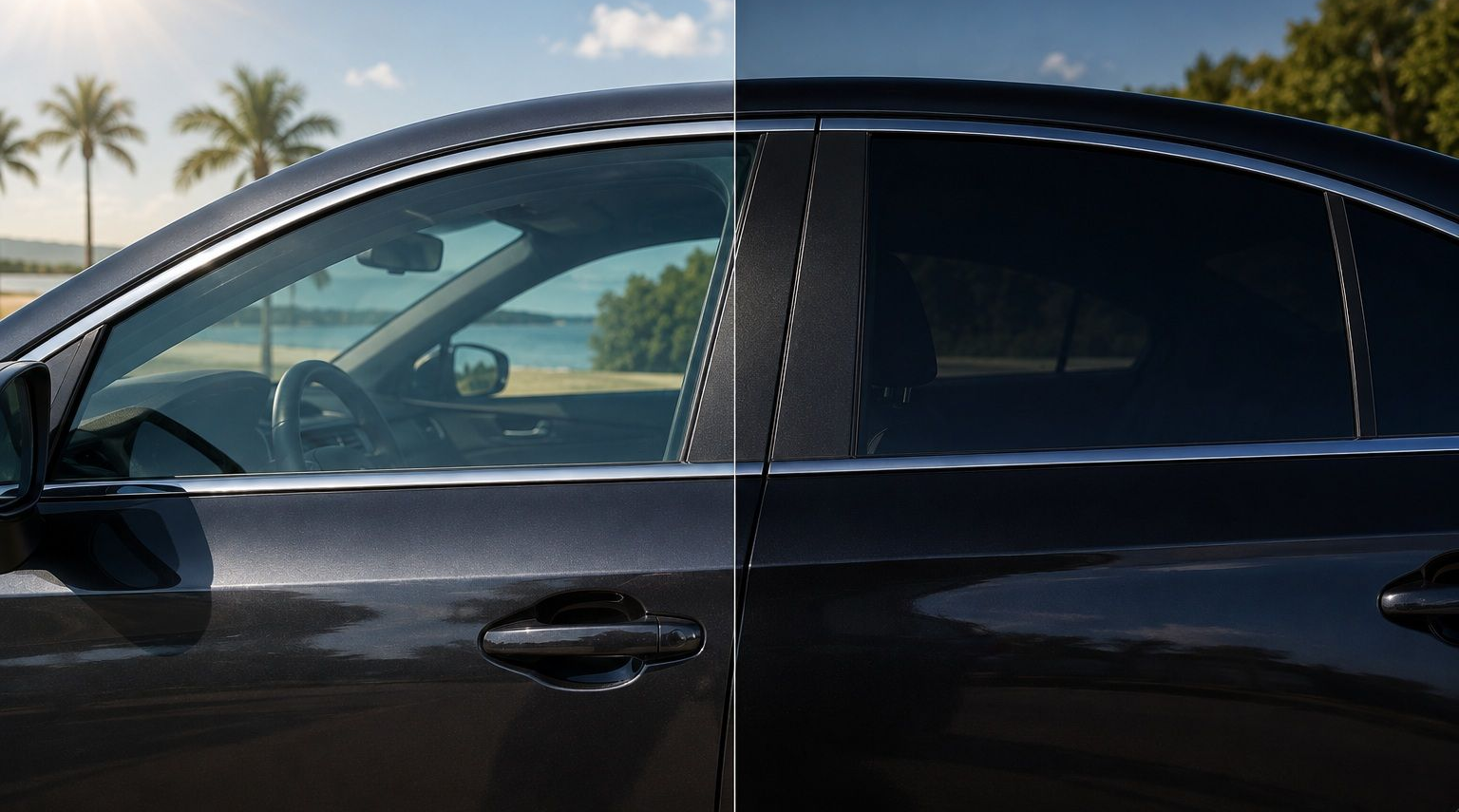
5) Heat rejection and UV protection which film wins for Florida drivers?
Direct answer: ceramic usually wins for heat rejection, while both ceramic and carbon can deliver excellent UV protection with reputable film lines. For most Jupiter drivers, the real decision is whether maximum heat performance is worth the extra cost.
Heat rejection: the comfort metric that changes your drive
In a hot climate, heat rejection is the feature that you feel every day. If you regularly get into your car after it has been parked at the beach, at work, or at an outdoor shopping center, you are dealing with stored heat energy. Ceramic films often reduce more of the infrared energy that drives that heat buildup. That can mean the cabin feels less aggressive, and you may not need to rely on maximum AC settings as often.
Carbon tint can still improve comfort meaningfully, especially compared to no tint. Many drivers who choose carbon say the car feels better immediately and the interior is more pleasant. The question is how much you want to optimize for the hottest days and the longest drives.
UV protection: why it is not optional in Florida
UV protection is not just a marketing point. UV exposure is linked to skin damage, and it contributes to interior fading and cracking. In Palm Beach County, where the sun is strong and the vehicle can sit in sunlight for long periods, interior preservation becomes a real cost consideration. A quality UV blocking window film helps protect leather, vinyl, plastics, and screens from premature aging.
When comparing ceramic vs carbon tint, assume both can deliver strong UV protection when you choose a reputable product line. The bigger difference usually shows up in heat rejection and long term appearance.
Voice search style answer
- Best for Florida heat rejection: ceramic window tint
- Best value premium option: carbon window tint
- Best entry level option: dyed tint, mainly for glare and darkness
6) Cost comparison and long term value of ceramic vs carbon tint
Direct answer: ceramic costs more upfront but often provides the most comfort and durability for long term ownership, while carbon typically offers strong performance at a lower price, making it a common choice for drivers focused on value for the money.
Think in terms of cost per year of ownership
A helpful way to compare pricing is to think in cost per year. If you keep your car for six or seven years, and ceramic keeps you more comfortable for that entire period, the value can be easier to justify. If you trade vehicles every two or three years, carbon may be the more rational choice because you still get a premium experience without paying extra for the longest possible lifecycle.
What influences pricing in Jupiter, FL
Prices vary based on vehicle size, number of windows, film type, and the complexity of installation. Curved glass, certain rear windows, and vehicles with advanced trim can require more labor. The best approach is to get a quote for carbon and ceramic from the same shop so you are comparing apples to apples for installation quality and warranty coverage.
Long term value drivers care about in Florida
- Comfort value: the cabin feels better, and you enjoy the car more.
- Interior protection value: less fading and cracking over time.
- Appearance value: the tint stays clean and consistent instead of looking aged.
- Resale value: quality tint can support the overall presentation of the car.
Driver profile comparison (structured)
- Daily commuters: ceramic if you spend lots of time in the car, carbon if budget is priority
- Luxury vehicle owners: ceramic for premium clarity and comfort
- Lease drivers: carbon for value and premium look
- Long term owners: ceramic for long term durability and comfort payoff
7) How to choose the right window tint film for your vehicle in Jupiter FL
Direct answer: choose ceramic if you want the strongest heat rejection and the best long term performance, choose carbon if you want premium performance and appearance with strong value, and choose dyed only if your priority is lowest price and basic glare reduction.
Step 1: Decide your comfort target
If your main goal is to reduce cabin heat as much as possible, ceramic should be your starting point. If your goal is to noticeably improve comfort without paying for the top tier, carbon is usually the best value tier. If you mainly want privacy and darker windows, dyed may be sufficient, but it is typically not the best option for Florida heat performance.
Step 2: Match the film to your driving and parking reality
Ask yourself two questions. How often is your car parked outdoors in direct sun? How much do you drive during the brightest parts of the day? If the answer to both is “a lot,” ceramic can provide a meaningful quality of life upgrade. If you are mostly garaged, and your driving is short and mixed, carbon might be the smarter value choice.
Step 3: Choose a reputable product and installer
The film type matters, but so does the product line and the installation. A professional installer can help you choose a shade and film that matches your priorities and stays compliant with Florida tint laws. If you want a premium option, ask specifically about 3M window film Jupiter FL and confirm warranty coverage. This is also where you can ask about appearance, clarity, and how the film will look on your vehicle color.
Step 4: Confirm legal tint limits before choosing shade
Florida’s legal limits depend on the window position and vehicle type. Before selecting a darkness level, confirm the current legal VLT requirements for your front side windows and other glass. A reputable shop will guide you so you get the look and performance you want without risking a compliance issue.
FAQ: Ceramic vs carbon tint in Jupiter and Palm Beach County
Is ceramic window tint worth the extra cost over carbon tint?
It often is if you want the strongest heat rejection, plan long term ownership, or spend a lot of time driving in the sun in Palm Beach County.
Does carbon window tint block UV rays effectively?
Yes, quality carbon films can block UV effectively. The key is choosing a reputable film line and a professional install.
Will ceramic or carbon tint interfere with GPS or cell phone signals?
Ceramic is typically selected for minimal interference because it is non metallic. Carbon is also typically minimal interference, but confirm the specific film series.
How long does ceramic window tint last in Florida?
With premium film and proper installation, ceramic is designed for long term durability. Lifespan varies by exposure, care, and product line.
How long does carbon window tint last compared to ceramic?
Carbon generally outlasts basic dyed tint, while ceramic is often positioned as the longer lasting premium option.
What is the best window tint for Florida heat and sun?
For most drivers seeking maximum heat rejection window tint performance, ceramic is typically the top pick.
Can I get ceramic or carbon tint on all my car windows including the windshield?
Many windows can be tinted, but windshield tinting is restricted. Ask about legal windshield options and visibility considerations.
Does window tint reduce glare while driving in South Florida?
Yes. Both ceramic and carbon can reduce glare, improving comfort during bright days and low sun angles.
Is ceramic tint available in different shades and darkness levels?
Yes. Ceramic films come in multiple shade options, so you can balance privacy, visibility, and legal compliance.
How do I know if my current tint is ceramic or carbon?
Check your paperwork or have a reputable shop inspect it. Appearance alone is not reliable.
Does ceramic tint change the appearance of my car from the outside?
The biggest visual change comes from shade. Ceramic often looks clean and premium when installed correctly.
Can window tint protect my car interior from fading and cracking?
Yes. UV blocking window film helps reduce UV exposure that contributes to fading and material aging.
What are Florida's legal window tint darkness limits for passenger vehicles?
Limits depend on window position and vehicle type. Confirm current Florida VLT rules before choosing a shade.
How long does window tint installation take at David Wood Window Tinting?
Time depends on vehicle and film choice. Many installs are completed the same day, but confirm scheduling and curing instructions.
Why should I choose David Wood Window Tinting for my ceramic or carbon tint installation in Jupiter FL?
Experience serving local drivers, premium 3M film options, and professional installation standards help deliver comfort and long lasting results.
Conclusion
Ceramic vs carbon tint is not a question of good versus bad. It is a question of performance level versus budget. Ceramic typically wins for the strongest heat rejection and long term clarity, making it a top choice for drivers who want the best window tint for Florida heat and plan to keep their vehicle. Carbon is often the best value premium option, delivering strong comfort and durability without the highest cost. In Jupiter and across Palm Beach County, film quality and installation quality matter because Florida sun will test both.
David Wood Window Tinting is Jupiter and Palm Beach County’s trusted 3M window film dealer with years of experience serving local drivers. For a free estimate on ceramic or carbon window tint installation using 3M window film products, call (561) 575-6114 or visit 2875 Jupiter Park Dr #2200, Jupiter, FL 33458 .