Is Ceramic Tint Worth It? Pros, Cons, and ROI
Ceramic window tint costs noticeably more than dyed or standard film, and if you're weighing that price difference against a basic tint job, it's fair to ask whether the upgrade actually pays off. For drivers and homeowners across Jupiter, Palm Beach Gardens, Stuart, and the rest of Palm Beach County, that question comes up constantly, especially with Florida's sun putting real, measurable wear on vehicles, homes, and offices year-round.
David Wood Window Tinting, an Elite 3M Prestige Dealer serving Palm Beach County, installs ceramic film daily and has the performance data and long-term customer feedback to answer this honestly. Here's a clear look at ceramic tint's pros, cons, and real return on investment.
What Makes Ceramic Tint Different From Other Film Types
Ceramic tint uses non-metallic ceramic particles instead of dye or metal to manage heat and UV exposure. This is the core reason it outperforms other film categories on nearly every functional metric.
How It Compares to Dyed and Metalized Film
| Film Type | Description |
|---|---|
| Dyed film | The most affordable option, but with limited heat rejection and a tendency to fade or discolor over several years of Florida sun exposure. |
| Metalized film | Better heat rejection than dyed, but its metallic particles can interfere with GPS, cell signal, and other electronics, a real concern for modern vehicles. |
| Ceramic film | Delivers the strongest heat and UV rejection of the three, without any signal interference, since it doesn't rely on metal at all. |
The Pros of Ceramic Tint
Exceptional Heat and UV Rejection
Premium ceramic film, like 3M's Ceramic IR Series, blocks up to 95% of infrared heat and up to 99.9% of UV rays. That's a meaningful jump over dyed and even metalized film, and it translates directly into a cooler cabin, less strain on your air conditioning, and stronger protection for your interior.
No Signal Interference
Because ceramic tint is non-metalized, it doesn't disrupt GPS, cell signal, or Bluetooth connectivity, which matters more than ever for connected vehicles and EVs. Products like the 3M Crystalline Series are specifically built to reject heat without the electronics-blocking downside of older metalized films.
Long-Term Durability
Under proper conditions, quality ceramic film can last up to 20 years, especially when backed by a comprehensive lifetime warranty. That's a dramatically longer service life than dyed film, which often needs replacement well before that point due to fading and bubbling.
Clarity and Aesthetic Options
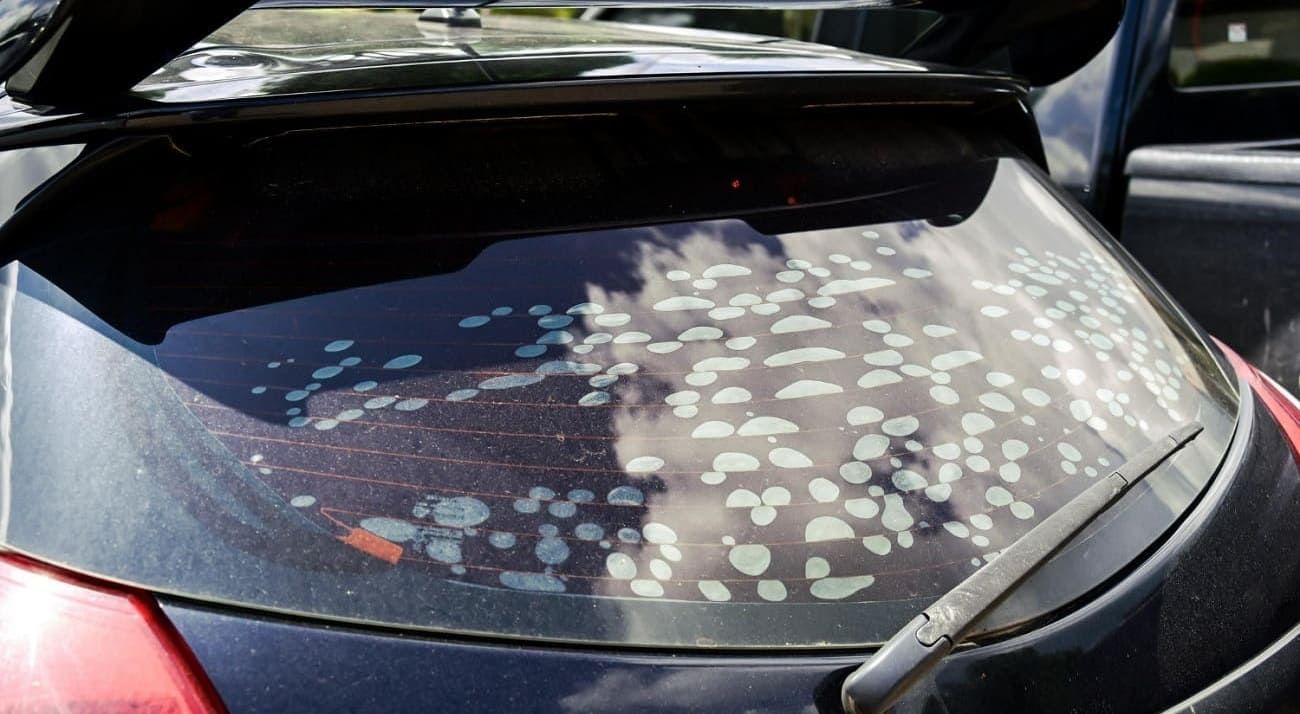
Ceramic film maintains excellent optical clarity even in darker shades, avoiding the hazy or purple-tinged look that degraded dyed film develops over time. It's also available in a range of finishes, including options designed to preserve a vehicle's factory appearance while still delivering high performance.
Protection That Extends Beyond the Vehicle
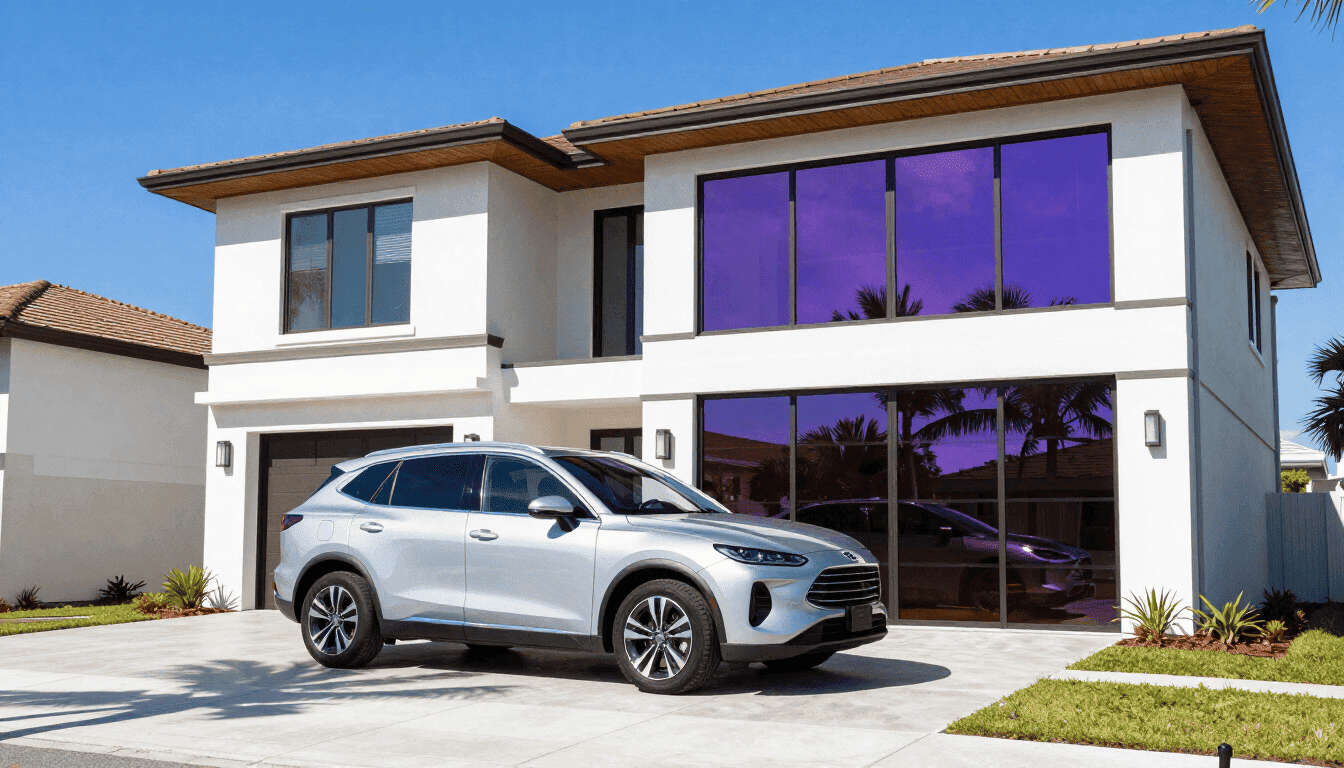
The same ceramic technology used on cars applies to homes and offices throughout Palm Beach County, reducing solar heat gain, protecting furniture and flooring from UV fading, and easing the load on HVAC systems, often cutting energy use meaningfully in South Florida's climate.
The Cons of Ceramic Tint
Higher Upfront Cost
Ceramic tint costs more than dyed or standard metalized film, both for materials and installation. This is the single biggest hesitation most people have, and it's a legitimate one if budget is your primary constraint.
Not Always Necessary for Every Use Case
If you're tinting a vehicle you plan to sell soon, or a car that spends most of its time in a garage, the long-term durability and heat rejection benefits of ceramic may matter less than they would for a daily driver parked outside in Florida sun year-round.
Quality Varies Between Brands
Not all film marketed as "ceramic" performs the same. Cheaper, lower-grade ceramic films may not deliver the same infrared rejection or longevity as an established brand like 3M. This is why choosing a certified dealer and asking directly about specific product performance numbers matters.
Calculating the ROI: Is Ceramic Tint Worth the Extra Cost?
Energy and Comfort Savings
For vehicles, reduced cabin heat means less reliance on air conditioning, which can improve fuel or battery efficiency over time. For homes and offices, 3M film has been shown to meaningfully reduce solar heat gain, lowering cooling costs during Florida's long, hot season.
Interior Protection Value
UV damage to a vehicle's dashboard, upholstery, and trim, or a home's furniture and flooring, isn't cheap to repair or replace. Ceramic film's near-total UV blocking significantly slows that degradation, protecting the value of what's inside the glass, not just the glass itself.
Longevity Reduces Lifetime Cost
Because ceramic film can last up to 20 years versus a much shorter lifespan for dyed film, the cost-per-year of ownership often evens out or favors ceramic once you account for the fact that dyed film may need replacing once or twice in that same timeframe.
Resale and Appearance Value
A vehicle or property with clear, bubble-free, non-faded tint signals better overall upkeep to a future buyer or tenant. Ceramic film's resistance to discoloration helps preserve that first impression for years longer than cheaper alternatives.
Ceramic Tint ROI Snapshot
| Factor | Dyed Film | Ceramic Film |
|---|---|---|
| Upfront cost | Lower | Higher |
| Heat rejection | Limited | Up to 95% (premium ceramic) |
| UV protection | Moderate | Up to 99.9% |
| Signal interference | None | None |
| Expected lifespan | Several years, fades sooner | Up to 20 years with proper care |
| Long-term cost per year | Can require replacement sooner | Often lower over the film's full lifespan |
| Interior/furniture protection | Moderate | Strongest available |
| Best for | Short-term ownership, tight budget | Daily drivers, long-term ownership, homes/offices |
Who Benefits Most From Ceramic Tint?
Daily Drivers and Long-Term Vehicle Owners
If you plan to keep your car for several years and drive it regularly in Florida's sun, ceramic tint's durability and heat rejection deliver the strongest return over time.
Tesla, EV, and Tech-Forward Vehicle Owners
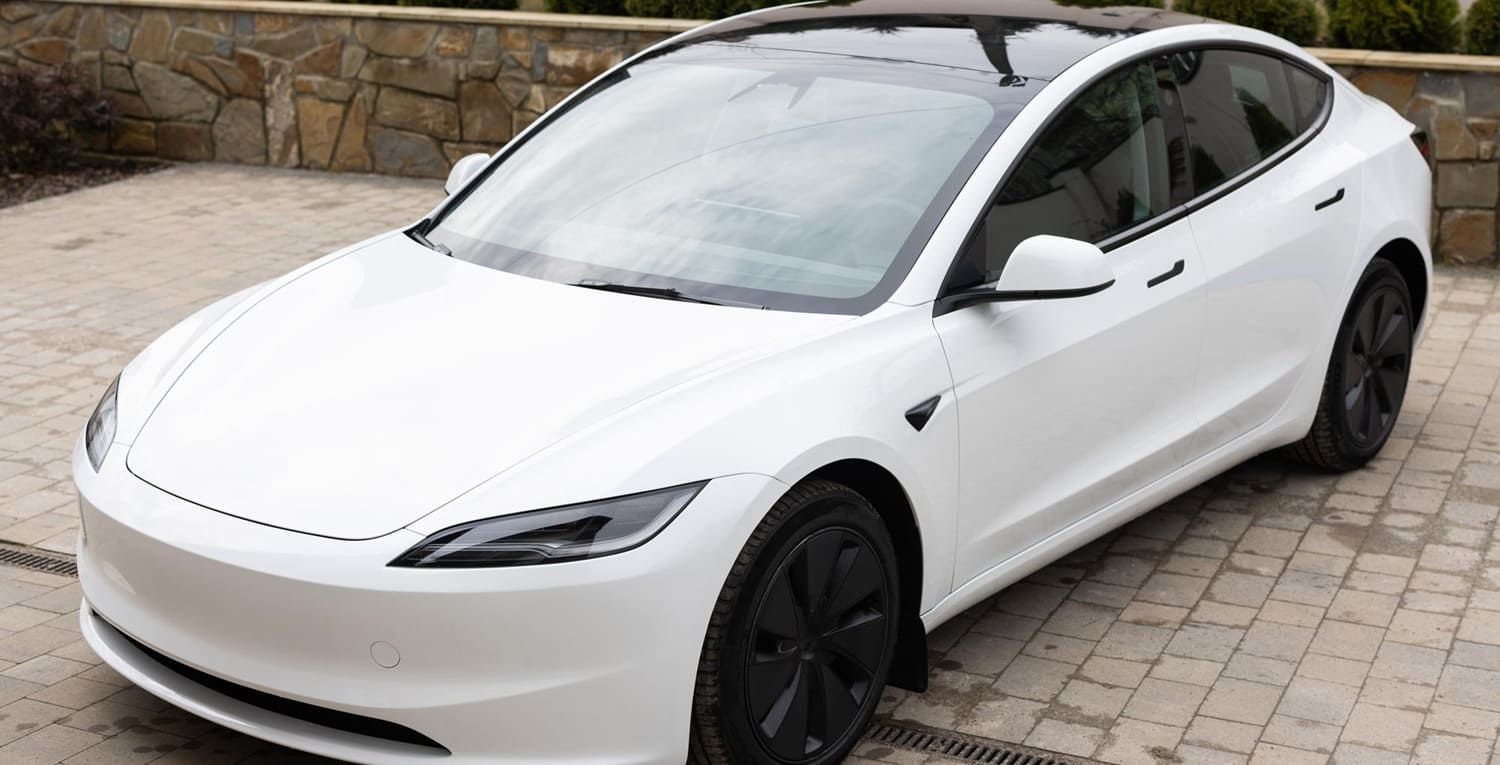
Since ceramic film doesn't interfere with GPS, sensors, or connectivity, it's the clear choice for Tesla, Cybertruck, and other technology-dependent vehicles where signal reliability matters.
Homeowners and Business Owners Managing Energy Costs
For residential and commercial properties throughout Palm Beach County, ceramic-grade 3M film can meaningfully cut cooling costs and protect interior furnishings from sun damage, often paying for itself over a period of years.
Frequently Asked Questions
Is ceramic tint really worth the higher price?
For most daily drivers, homeowners, and business owners planning to keep their vehicle or property for several years, yes. The combination of superior heat rejection, UV protection, and much longer lifespan often makes ceramic the better long-term value despite the higher upfront cost.
How long does ceramic tint actually last?
Under proper conditions and with routine care, quality ceramic film like 3M's Ceramic IR Series can last up to 20 years, especially when backed by a lifetime warranty.
Does ceramic tint interfere with GPS or Bluetooth?
No. Ceramic tint is non-metalized, so it doesn't interfere with GPS, cell signal, or Bluetooth connectivity, unlike older metalized films.
Is ceramic tint better for Tesla or EV owners?
Yes. Ceramic film's non-metallic composition and strong heat rejection make it the preferred choice for Tesla, Cybertruck, and other EVs that rely heavily on connected technology.
Will ceramic tint pay for itself over time?
Through reduced AC/HVAC strain, better interior protection, and a much longer usable lifespan than dyed film, ceramic tint frequently delivers a lower cost per year of ownership even though it costs more upfront.
What's the difference between ceramic tint and 3M's Crystalline Series?
Crystalline is a specific 3M ceramic-technology film designed for strong heat rejection with a lighter, less dark appearance, while the Ceramic IR Series is built for maximum infrared rejection with a neutral color option. Both are non-metalized and avoid signal interference.
Get a Straight Answer for Your Vehicle or Property
Ceramic tint costs more upfront, but for most drivers, homeowners, and business owners in Palm Beach County, the combination of superior heat rejection, near-complete UV protection, and a lifespan that can stretch up to two decades makes it the stronger long-term investment over dyed or metalized film.
David Wood Window Tinting, an Elite 3M Prestige Dealer serving Jupiter, Palm Beach Gardens, Stuart, Juno Beach, West Palm Beach, and the surrounding Palm Beach County area, installs premium 3M ceramic film for vehicles, homes, offices, and boats. Call (561) 575-6114 or visit 2875 Jupiter Park Dr, Suite 2200, Jupiter, FL 33458, for a free estimate and honest guidance on whether ceramic tint is the right investment for you.