5 Signs It's Time to Replace Old Window Tint in Jupiter and Palm Beach County
Window tint doesn't last forever, especially in South
Florida. Between year-round sun, salt air and summer heat, even good film eventually breaks down. Cheaper tint can fail in just a few years. The trouble is that tint usually fails gradually. A little bubble here, a faint purple cast there, and before long your car looks worn, feels hotter and is harder to see out of.
If you drive in Jupiter, Palm Beach Gardens, Juno Beach, Stuart or anywhere in Palm Beach County, this guide will help you tell when your tint is past its prime. It covers the five clearest warning signs, why tint fails faster here, what replacement involves and what it costs, so you can decide whether it's time for new film.
Quick Answer: How Do You Know It's Time to Replace Window Tint?
It's time to replace your
window tint if you notice any of these five signs:
- Bubbling or blistering across the film
- Peeling or lifting at the edges or corners
- Purple or faded color instead of a neutral charcoal tone
- Hazy, scratched or distorted visibility
- A noticeably hotter cabin than when the tint was new
Any one of these means the film's adhesive or dyes are breaking down. Replacing failed tint restores your view, heat rejection and UV protection, and it makes your vehicle look sharp again.
Why Window Tint Wears Out Faster in South Florida
Window film is built for sun, but Palm Beach County pushes it harder than most places. Several local factors speed up wear:
- Intense UV exposure: Nearly year-round sun breaks down the dyes in lower-quality films, causing fading and discoloration.
- Extreme heat cycles: Glass heats up in the afternoon and cools at night. That constant expansion and contraction stresses the adhesive.
- Humidity and salt air: Coastal moisture near Jupiter Inlet, Juno Beach and the Intracoastal can work into film edges over time.
- Low-quality materials: Inexpensive dyed films and weak adhesives were never designed to survive Florida conditions for long.
- Poor installation: Dust trapped under the film, rushed edge work or improper cleaning creates weak spots that fail early.
Premium films like 3M's are tested to extreme conditions and resist peeling, bubbling and scratching much longer. Even so, older film from a previous owner or a discount shop often isn't that durable. If you bought your vehicle used or had it tinted years ago, check it closely.
The 5 Warning Signs Your Window Tint Needs to Be Replaced
Bubbling or Blistering Film
Bubbles are the most common sign of failing tint. Small pockets of air or moisture form when the adhesive loses its bond with the glass. Rear windows bubble most often, because they sit at a steep angle that takes direct sun all day.
Bubbles don't go away on their own, and they usually spread. Large bubbles on the rear window can also block your view through the rearview mirror, which is a real safety concern when you're changing lanes on I-95 or Florida's Turnpike.
Peeling, Lifting or Curling Edges
Look at the top edges of your side windows, where the glass slides in and out of the door seal. Peeling often starts there. Once an edge lifts, dirt and moisture get underneath and the damage speeds up. Rolling windows up and down only makes it worse.
Peeling film also looks sloppy and lowers your vehicle's appearance and resale value. If you're about to sell or trade in, replacing peeling tint is an easy way to make the vehicle look better.
Purple, Brown or Faded Color
If your tint has turned purple or brownish, the dyes in the film have broken down from UV exposure. This mostly happens with older or low-cost dyed films. Faded tint is more than a cosmetic problem: it usually means the film no longer blocks heat and glare the way it once did.
Modern films are built to keep their color. 3M's ceramic and Color Stable lines, for example, are designed to hold a neutral, factory-like look instead of shifting toward purple.
Hazy, Scratched or Distorted Visibility
Window tint should never make it harder to see. Aging film can develop haze, fine scratches, a cloudy look or a wavy distortion, especially at night or in rain. If streetlights and oncoming headlights look blurry through your side windows, the film is hurting your safety.
Clear visibility matters even more in South Florida, where sudden afternoon storms and heavy tourist traffic demand close attention.
Your Car Feels Hotter Than It Used To
Sometimes failing tint looks fine but simply stops working. If your AC runs at full blast and your seats and steering wheel feel scorching after a short stop, the film may have lost much of its heat-rejecting ability. That's common with older dyed films, which absorb heat rather than block infrared energy.
Upgrading to a modern ceramic film can make a noticeable difference in cabin comfort, especially compared with tint installed a decade ago.
| Warning Sign | What's Causing It | Risk If You Ignore It | Recommended Action |
|---|---|---|---|
| Bubbling | Adhesive failure, trapped moisture | Spreads and blocks your view | Professional removal and new film |
| Peeling edges | Lost bond, window movement | Dirt intrusion, worsening damage | Replace before it spreads |
| Purple or faded color | UV breakdown of dyes | Weak heat and glare protection | Upgrade to color-stable or ceramic film |
| Haze or distortion | Aging film, scratches | Poor night and rain visibility | Replace for safety |
| Hotter cabin | Lost heat rejection | Discomfort, extra AC strain | Upgrade to ceramic IR film |
Other Good Reasons to Replace Your Tint
Even if your film isn't visibly failing, replacing it may still make sense:
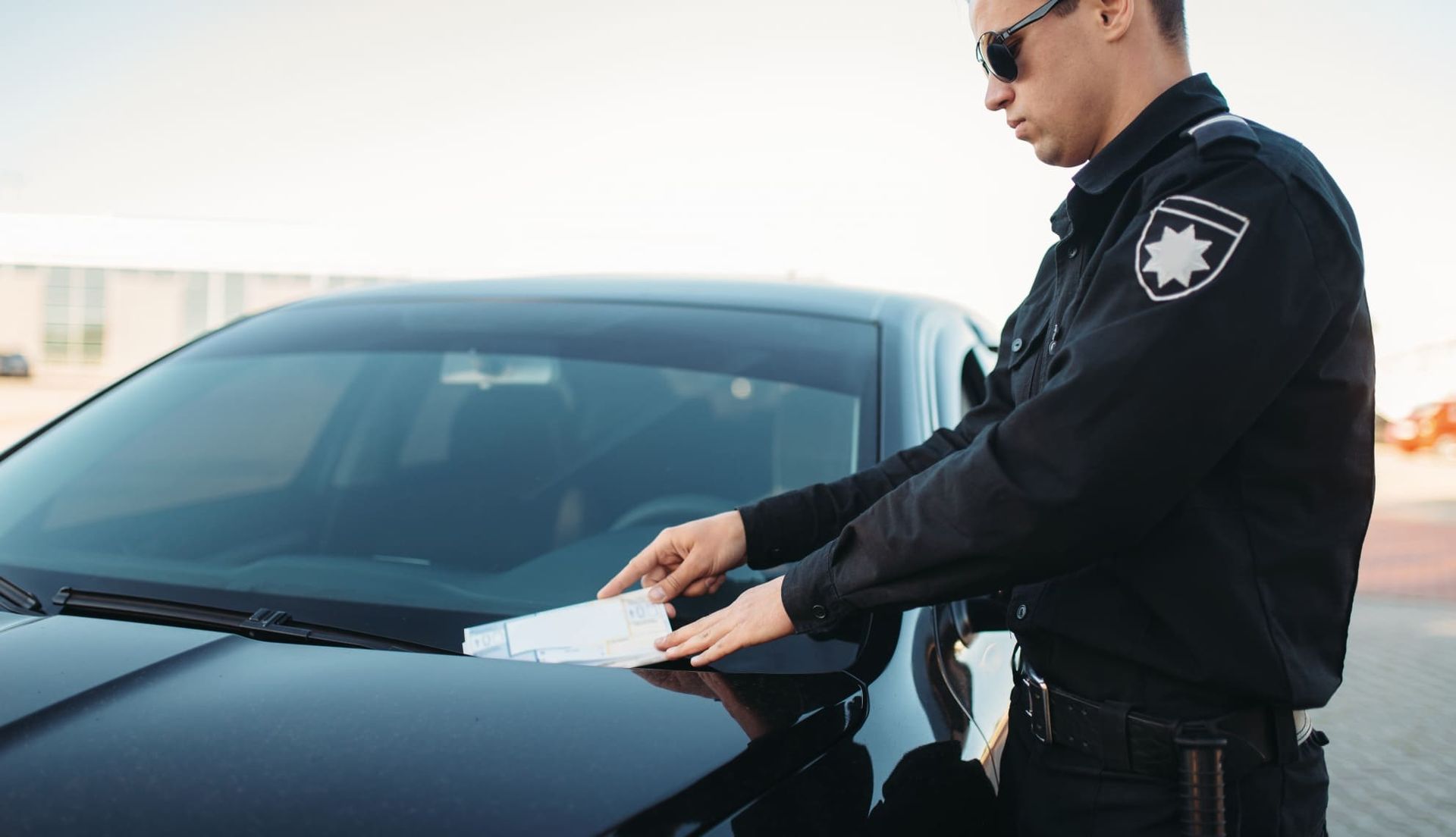
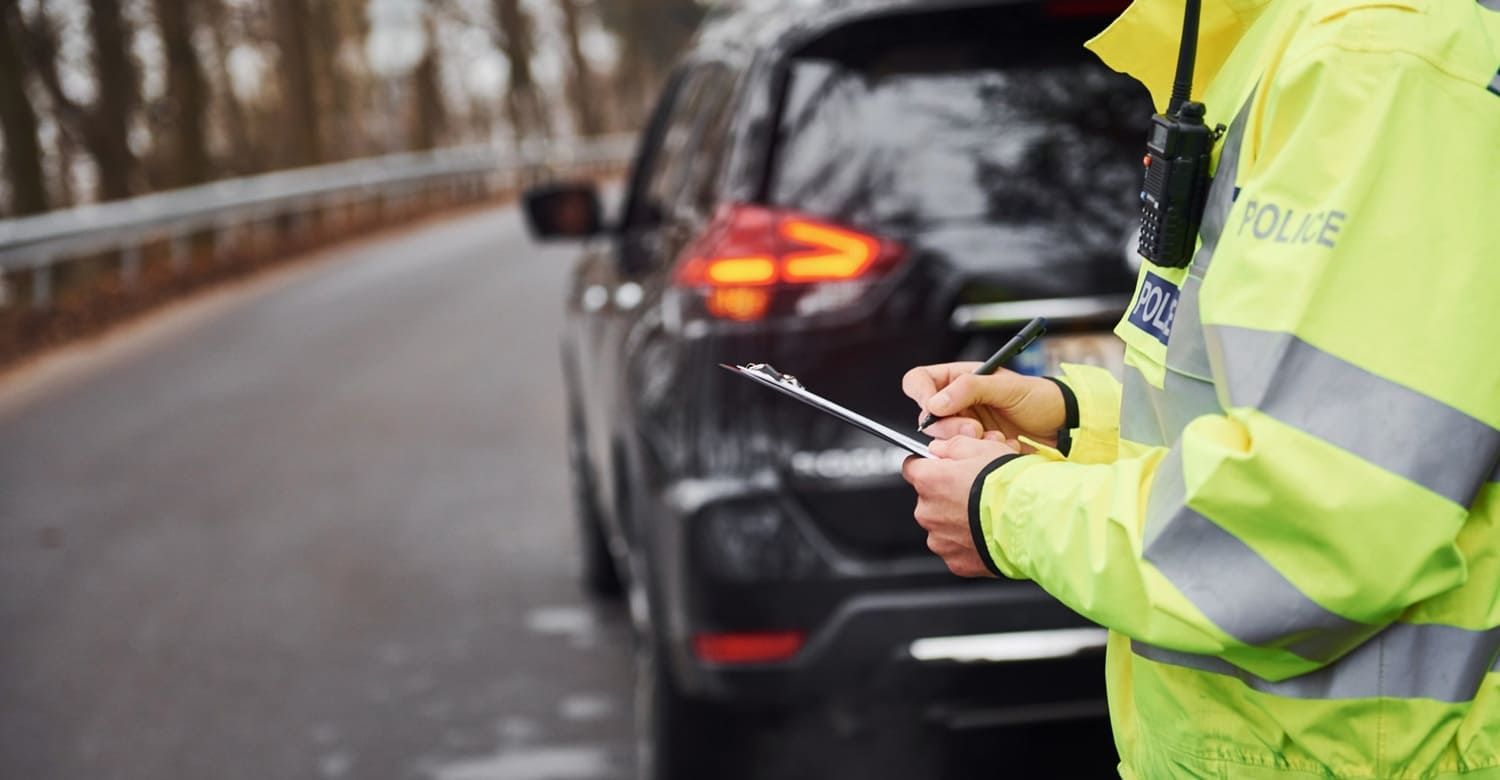
- Your tint isn't legal in Florida. Florida requires front side windows on all passenger vehicles to let in more than 28% of light. Rear windows must let in more than 15% on sedans and more than 6% on SUVs, trucks and vans. Front side windows can't be more than 25% reflective, and rear side windows can't be more than 35% reflective. Tint that's too dark or too reflective can lead to a ticket.
- Old metallized film is interfering with signals. Some older metallic films can disrupt GPS, cell reception or keyless entry. Non-metallized films such as 3M Crystalline and ceramic films avoid this problem.
- You want better performance. Today's ceramic films reject more heat without needing to be extremely dark.
- You bought a used vehicle. You don't know what film is on it or how well it was installed.
| Window (Florida) | Sedans | SUVs, Trucks and Vans |
|---|---|---|
| Windshield | Non-reflective tint above AS-1 line only | Non-reflective tint above AS-1 line only |
| Front side windows | More than 28% light in | More than 28% light in |
| Rear side windows | More than 15% light in | More than 6% light in |
| Rear window | More than 15% light in | More than 6% light in |
How Professional Tint Replacement Works
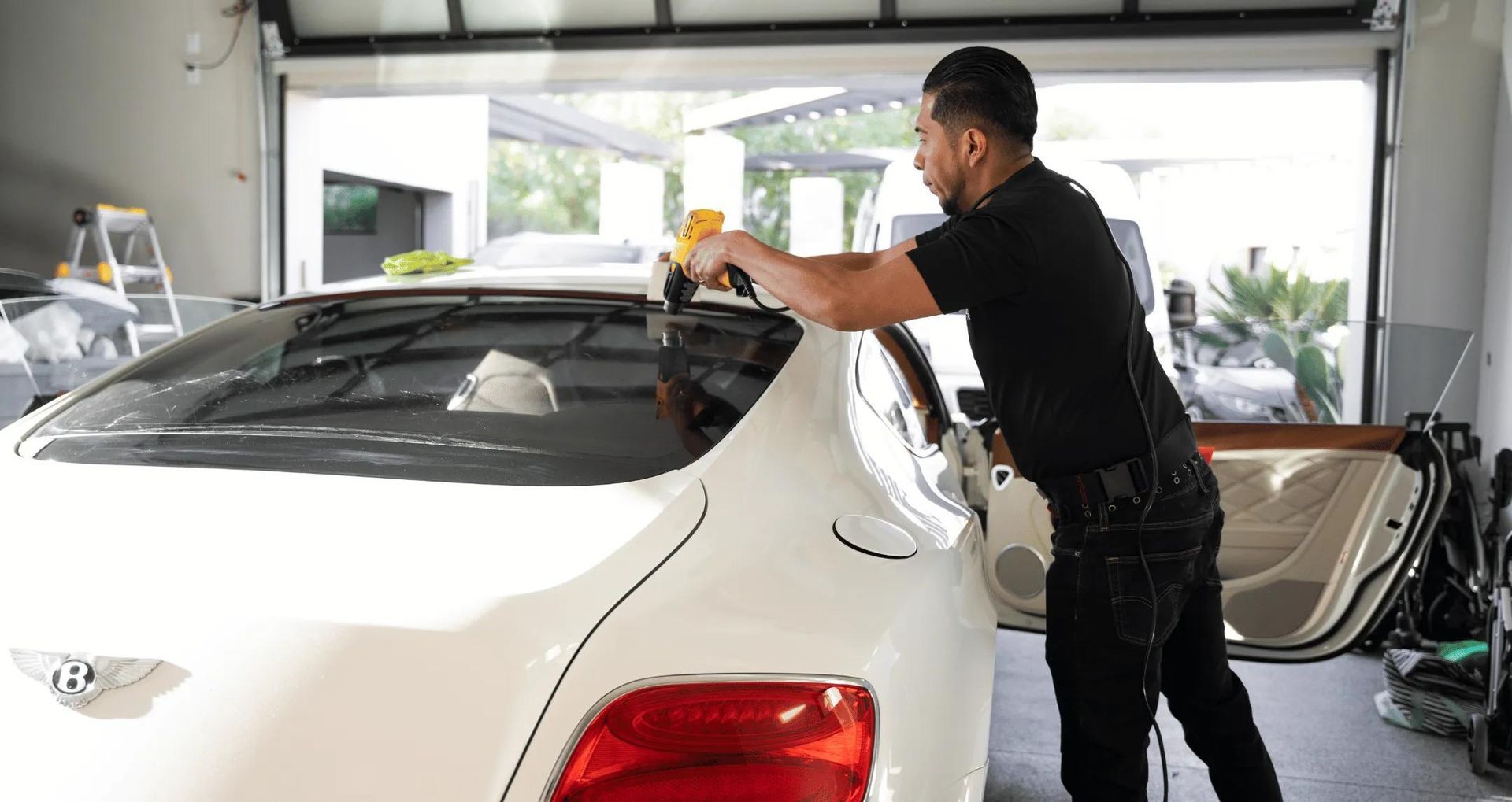
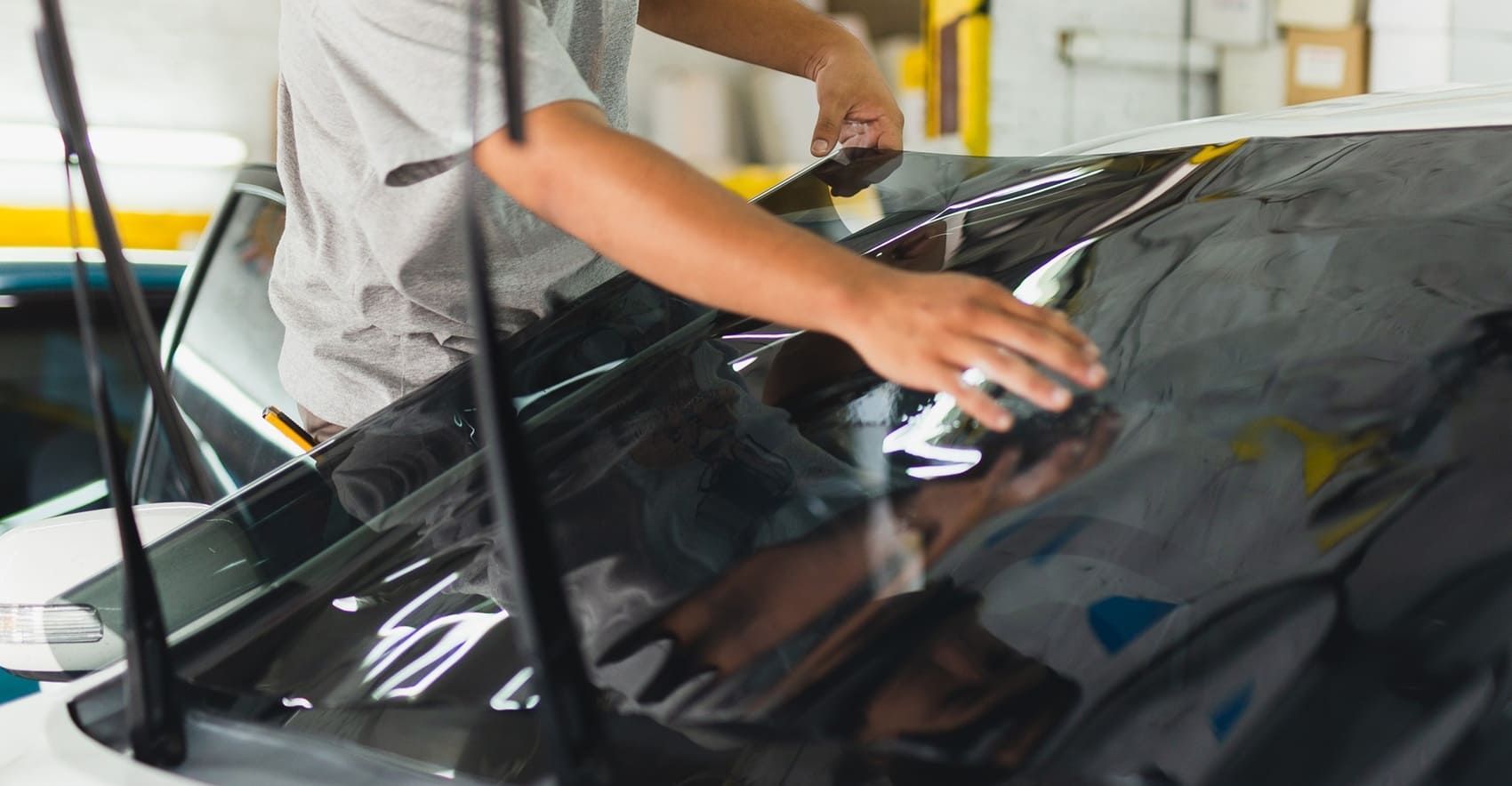
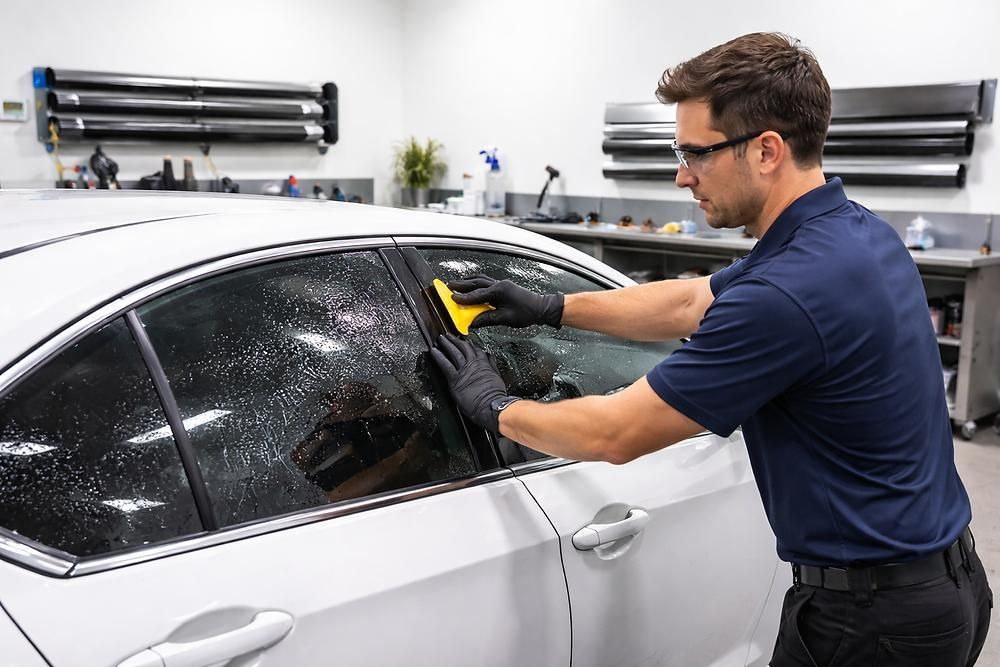
Removing old tint isn't as simple as peeling it off. Rear windows have delicate defroster lines that can be scraped off or broken, and leftover adhesive can leave a sticky, streaky mess. Here's how a professional replacement usually works:
- Inspection: The installer checks the condition of the film, the glass and the defroster lines.
- Careful removal: Old film is softened and removed in a controlled way to protect the glass and defroster grid.
- Adhesive cleanup: All leftover glue is removed so the new film bonds cleanly.
- Deep cleaning: The glass is prepared so no dust or debris is trapped under the new film.
- New film installation: High-quality film is cut and fitted precisely to each window.
- Curing: You keep the windows rolled up for a few days while the adhesive fully bonds.
A DIY removal can damage your rear defroster, which can cost far more to repair than professional removal. When the job includes removal, it's worth having a certified installer handle the whole thing.
How Much Does Window Tint Replacement Cost in Palm Beach County?
Replacement cost has two parts: removing the old film and installing the new film. Removal is usually quoted separately, because the time it takes depends on how badly the old film has broken down.
For new film, David Wood Window Tinting publishes prices by vehicle size and 3M film line:
| Vehicle Type | Obsidian | CSIR | 3M Ceramic IR | 3M Crystalline |
|---|---|---|---|---|
| 4-door cars, small SUVs, pickups | $260 | $320 | $420 | $660 |
| Full-size pickups, medium SUVs | $300 | $360 | $460 | $700 |
| Large SUVs, minivans | $360 | $440 | $520 | 760 |
| Front doors only | $140 | $160 | $180 | $280 |
Prices are subject to change. Other restrictions and exceptions may apply. Call for a quote that includes old tint removal.
If your old film only failed on the front doors, a front-doors-only replacement is a budget-friendly way to restore visibility and appearance.
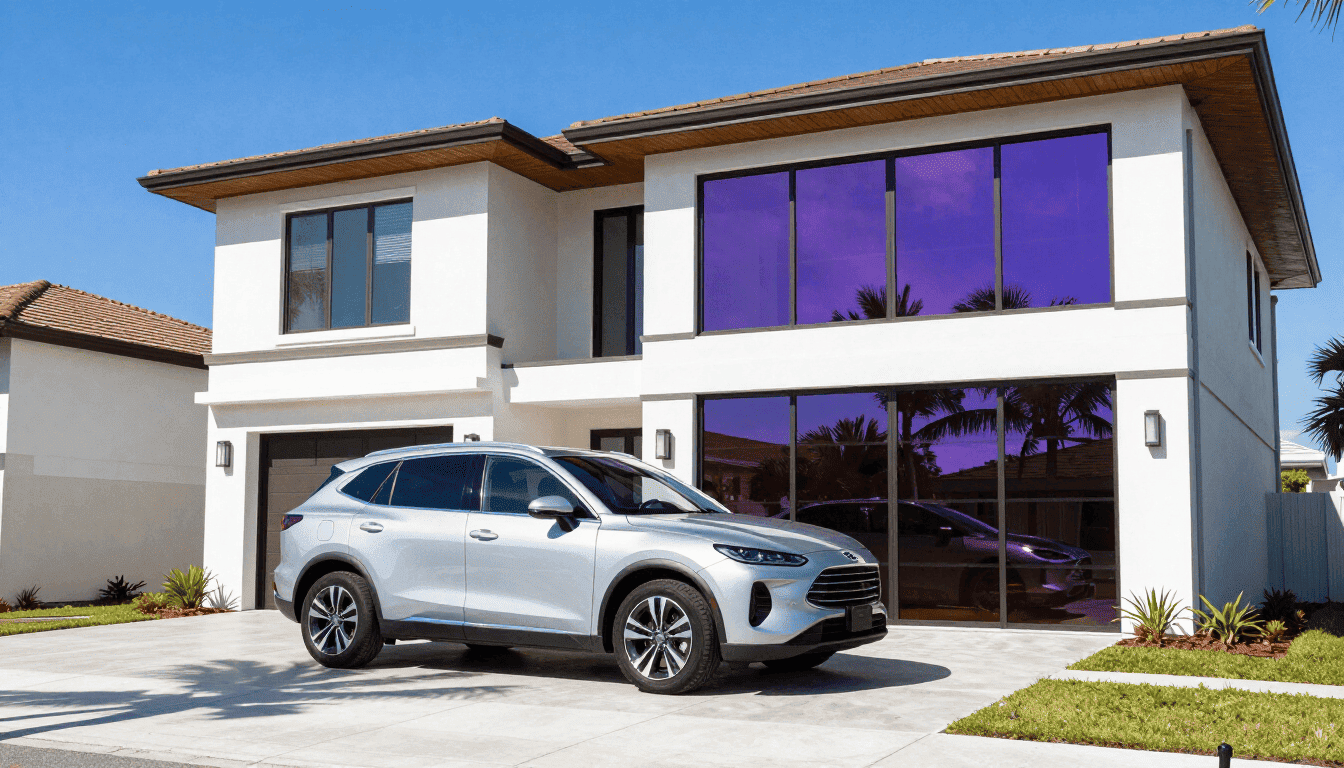
What About Old Film on Homes and Businesses?
The same warning signs apply to
residential and
commercial film: bubbling, peeling, discoloration, haze and rooms that feel hotter than they used to. Aging film on a sunny living room or storefront can let fading UV back in and push up cooling costs.
Modern 3M residential films block more than 99% of UV rays and can reject a large share of the sun's heat. Safety and security films also help hold glass in place during storms. If your home or office film is past its prime, professional removal and replacement restore that protection.
Frequently Asked Questions About Replacing Window Tint
How long does car window tint last in Florida?
It depends on the film quality and installation. Budget dyed films may start fading or bubbling within a few years in South Florida sun. Premium films from brands like 3M are built to last much longer and come with a limited lifetime warranty.
Can bubbling window tint be fixed without replacing it?
Usually not. Bubbles mean the adhesive has failed, and puncturing or pressing them out rarely lasts. Replacing the film is the reliable fix.
Why did my window tint turn purple?
Purple tint means the dyes in the film have broken down from UV exposure. It's most common with older or low-cost dyed films. Color-stable and ceramic films are designed to avoid this.
Can I remove old window tint myself?
You can, but it's risky, especially on rear windows. Scraping or using the wrong solvent can damage defroster lines and leave adhesive residue. Professional removal protects your glass and gives the new film a clean surface.
How long does it take to replace window tint?
Most vehicles can be done in a single appointment, though removing heavily deteriorated film adds time. Plan to keep your windows rolled up for a few days afterward while the new film cures.
Is it worth upgrading to ceramic tint when replacing old film?
For most South Florida drivers, yes. Ceramic films like 3M Ceramic IR reject far more infrared heat than older dyed films, block more than 99% of UV rays and won't interfere with electronics. That makes them a strong long-term upgrade.
Replace Your Old Window Tint With Trusted 3M Film in Jupiter
If your tint is bubbling, peeling, turning purple, getting hazy or no longer keeping you cool, it's time for a replacement. Waiting only lets the damage spread, puts your visibility at risk and leaves you without the UV and heat protection you're paying for.
David Wood Window Tinting is an authorized 3M dealer and 3M certified installer in Jupiter and a member of 3M's Prestige Dealer Network. Customers across Palm Beach County keep coming back because David does the work himself, takes care to get it right the first time and backs every installation with 3M's limited lifetime warranty. From careful removal of failed film to precise installation of 3M Ceramic IR, Crystalline and Color Stable films, your vehicle, home or business is in experienced hands.
Call David Wood Window Tinting at (561) 575-6114 or visit 2875 Jupiter Park Dr, Suite 2200,
Jupiter, FL 33458, to schedule an inspection and get
a free estimate. Appointments are recommended, and the shop serves Jupiter, Palm Beach Gardens, Juno Beach, Stuart, West Palm Beach and the surrounding Palm Beach County area.